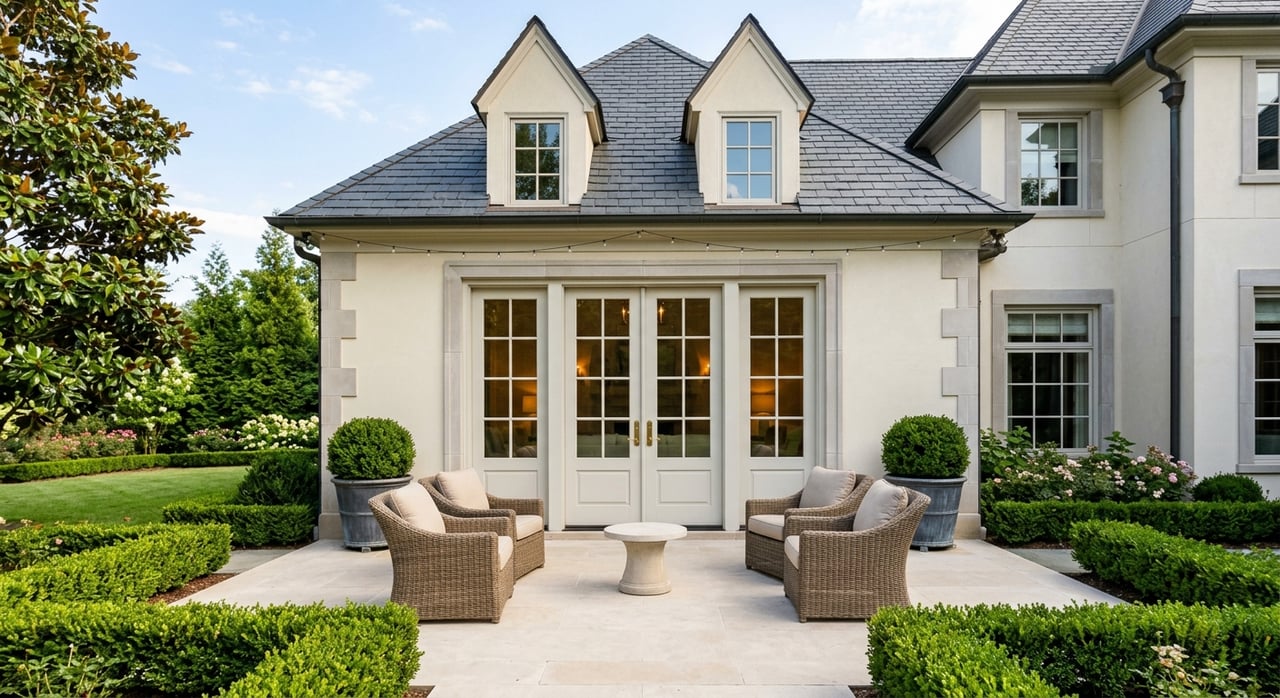
Guide to Selling an Inherited Home in Raleigh’s Luxury Market
April 16, 2026
April 16, 2026
If you have inherited a high-value home in Raleigh, you may be balancing grief, family decisions, legal details, and a major financial asset all at once. It can feel overwhelming, especially when the property is valuable enough that pricing, presentation, and timing matter more than many families expect. The good news is that with the right process, you can move from uncertainty to a clear, well-managed sale. Let’s dive in.
Selling an inherited home in Raleigh’s luxury market starts with understanding the current pace of the market. In Wake County, Realtor.com reported 7,296 active listings, a $475,000 median listing price, 46 median days on market, and a 99% sale-to-list ratio in its March 2026 summary based on February 2026 data. Raleigh itself was shown at a $450,000 median listing price with about 2.7K homes for sale, according to Wake County market data from Realtor.com.
That matters because even a desirable inherited home does not sell on autopilot. In a more measured market, buyers still respond to thoughtful pricing, strong presentation, and clean execution. For higher-end homes, those details often have an even bigger impact.
Luxury pricing also needs local context. Realtor.com’s March 2026 luxury report defines luxury as a market-specific threshold based on the 90th percentile of local listing prices, rather than one flat national price. You can review that methodology in Realtor.com’s luxury housing report.
Before you think about photos, repairs, or launch timing, confirm who has legal authority to sell the property. In North Carolina, the clerk of superior court gives authority to a personal representative to manage estate tasks such as inventorying assets, notifying creditors, paying valid debts, and distributing remaining property. The executor named in a valid will generally has the highest priority to receive letters testamentary, as explained by North Carolina Courts estate guidance.
For many inherited homes, the key question is not simply who will receive the property. The practical question is who has authority to sign the listing agreement, deed, and closing documents. That issue should be resolved before the home is marketed.
North Carolina materials also note that a surviving spouse may sometimes use summary administration if that spouse is the sole heir or devisee. However, if selling the real estate is likely to be necessary or advisable, full administration with notice to creditors may be needed, according to the state’s Decedents’ Estate Procedures pamphlet.
Inherited properties often come with title questions that need attention before going live. You may need to confirm the current deed, legal description, and whether any liens or older recorded documents could affect the sale.
Wake County’s Register of Deeds records system can help verify the chain of title and related recorded property documents. This step can save time later, especially for estate sales where several family members or advisors may be involved.
If legal rights, title questions, or estate procedures are unclear, North Carolina courts specifically advise consulting a North Carolina licensed attorney. For many families, that coordination is one of the first steps toward a smoother closing.
An inherited home can carry ongoing costs that affect your timing and net proceeds. Mortgage balances, HOA dues, utilities, insurance, and property taxes should be reviewed early so there are fewer surprises near closing.
North Carolina estate administration guidance makes clear that valid debts must be addressed during the estate process. Wake County also provides access to real estate tax bill copies online, which can help confirm balances before settlement through the broader North Carolina Courts estate resources.
For a luxury property, these figures can be substantial. The larger and more complex the home, the more important it is to understand carrying costs before deciding whether to sell quickly, make improvements, or hold the property for a period of time.
Taxes are one of the biggest reasons inherited-home sellers should slow down and get organized. For federal income tax purposes, inherited property generally receives a stepped-up basis equal to the property’s fair market value at the decedent’s date of death. The IRS also notes that property acquired from a decedent is generally treated as held for more than one year, which means a sale by the estate is generally long-term for gain or loss purposes, as outlined in IRS Publication 551.
That stepped-up basis can make a major difference. In some cases, it may reduce taxable gain significantly if the home is sold relatively close to the date-of-death value.
It is also important not to assume the home-sale exclusion applies automatically. The IRS explains in Topic No. 701 that the ownership and use tests still apply, so simply inheriting the home does not create an automatic exclusion from capital gains tax.
On the North Carolina side, no state estate tax is due if the decedent died on or after January 1, 2013. North Carolina also charges a conveyance or excise tax of $1 per $500 or fractional part of the consideration on most real property transfers, paid by the transferor before recording. On a luxury home sale, that transfer tax can be a meaningful closing cost.
One of the most common mistakes with inherited luxury property is pricing based on emotion, memory, or a broad idea of what “luxury” should mean. In Raleigh, luxury is better defined by neighborhood-level data, condition, lot characteristics, architecture, and the likely buyer pool.
Because Realtor.com uses a percentile-based definition of luxury, a strong pricing strategy should be based on local comparables rather than a fixed dollar amount. In a market where homes are not moving at peak frenzy speed, overpricing can cause a home to sit longer and lose momentum.
A well-priced estate property creates a different response. It signals seriousness, attracts qualified buyers earlier, and supports stronger negotiations once interest develops.
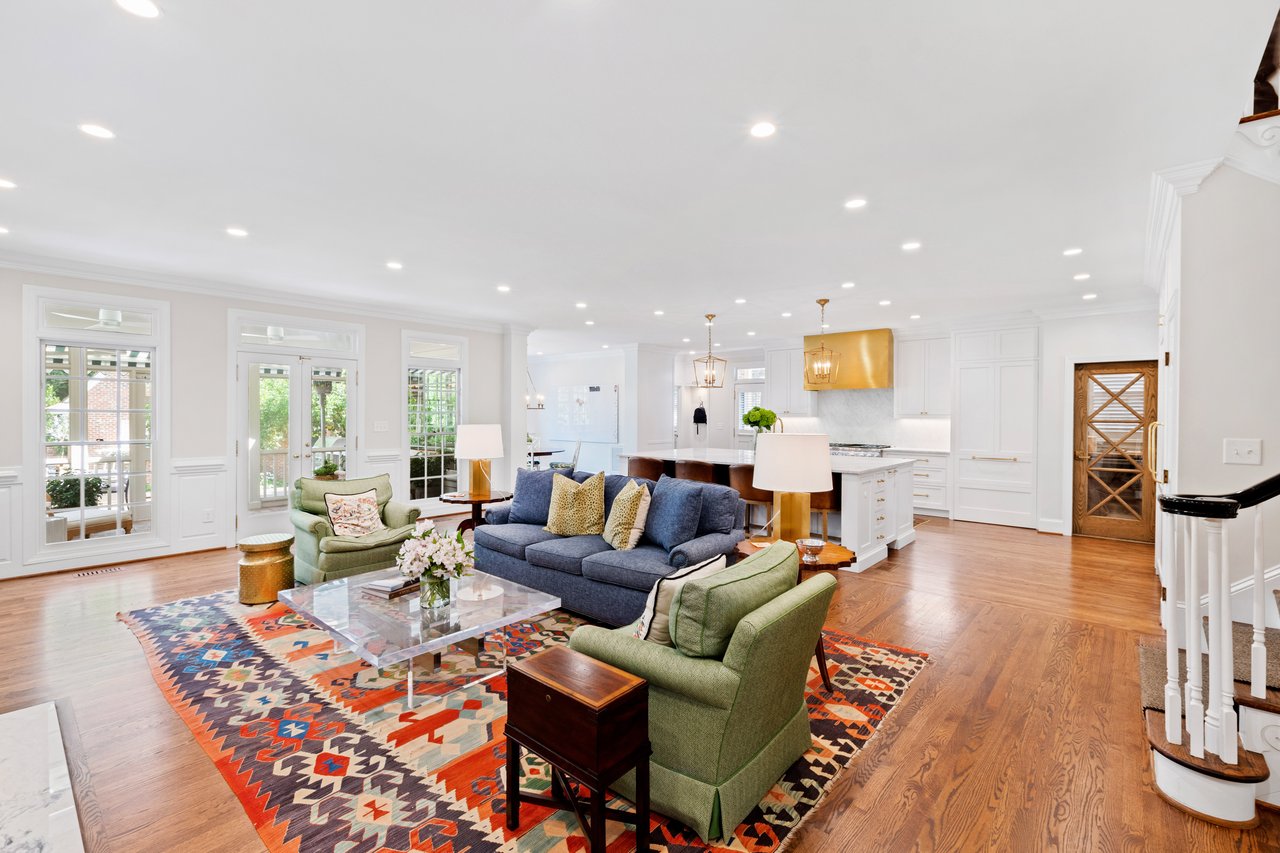
Inherited homes often need a transition from private residence to market-ready listing. That is especially true when the property includes personal belongings, dated finishes, deferred maintenance, or rooms that do not photograph well in their current condition.
According to the National Association of Realtors 2025 staging report, 29% of agents said staging increased the dollar value offered by 1% to 10%, 49% said staging reduced time on market, and 83% of buyers’ agents said staging made it easier for buyers to envision the property as a future home.
NAR also reports that photos, staging, video, and virtual tours are highly important to buyers. Decluttering, whole-home cleaning, and curb appeal are among the most common seller-prep recommendations.
For an inherited luxury home, the prep sequence is often straightforward:
This process helps the home show as a polished, high-end listing rather than an estate in transition. In the Raleigh luxury market, presentation supports both perceived value and buyer confidence.
In some cases, yes. A home may sometimes be listed before probate is fully closed if the personal representative already has authority to act, according to North Carolina Courts estate information.
That said, the answer depends on the probate path, the title situation, and who has legal authority at that stage. This is why experienced coordination among your real estate advisor, attorney, and other professionals matters so much.
For many families, the goal is not just selling the home. The goal is doing it in a way that protects timing, avoids preventable delays, and keeps communication clear among everyone involved.
An inherited luxury home sale is rarely just another listing. It often involves emotional decisions, paperwork, financial analysis, and a need for discretion. When the property is high value, every choice around authority, pricing, preparation, and marketing has a greater effect on the final outcome.
A clear process can make the experience far less stressful. With senior-level guidance, refined presentation, and careful coordination, you can position the home well and move forward with confidence.
If you are preparing to sell an inherited home in Raleigh or anywhere in Wake County, Mollie Owen offers discreet, senior-level guidance for complex and high-value transitions.
Stay up to date on the latest real estate trends.

Work with us for unparalleled Raleigh luxury real estate service. Our deep local insight, refined marketing, and 25+ years of experience mean high-value transactions handled with care and precision—reach out to see what we can achieve for you.
CONTACT US
3200 Wake Forest Rd, Suite 101 Raleigh, NC 27609