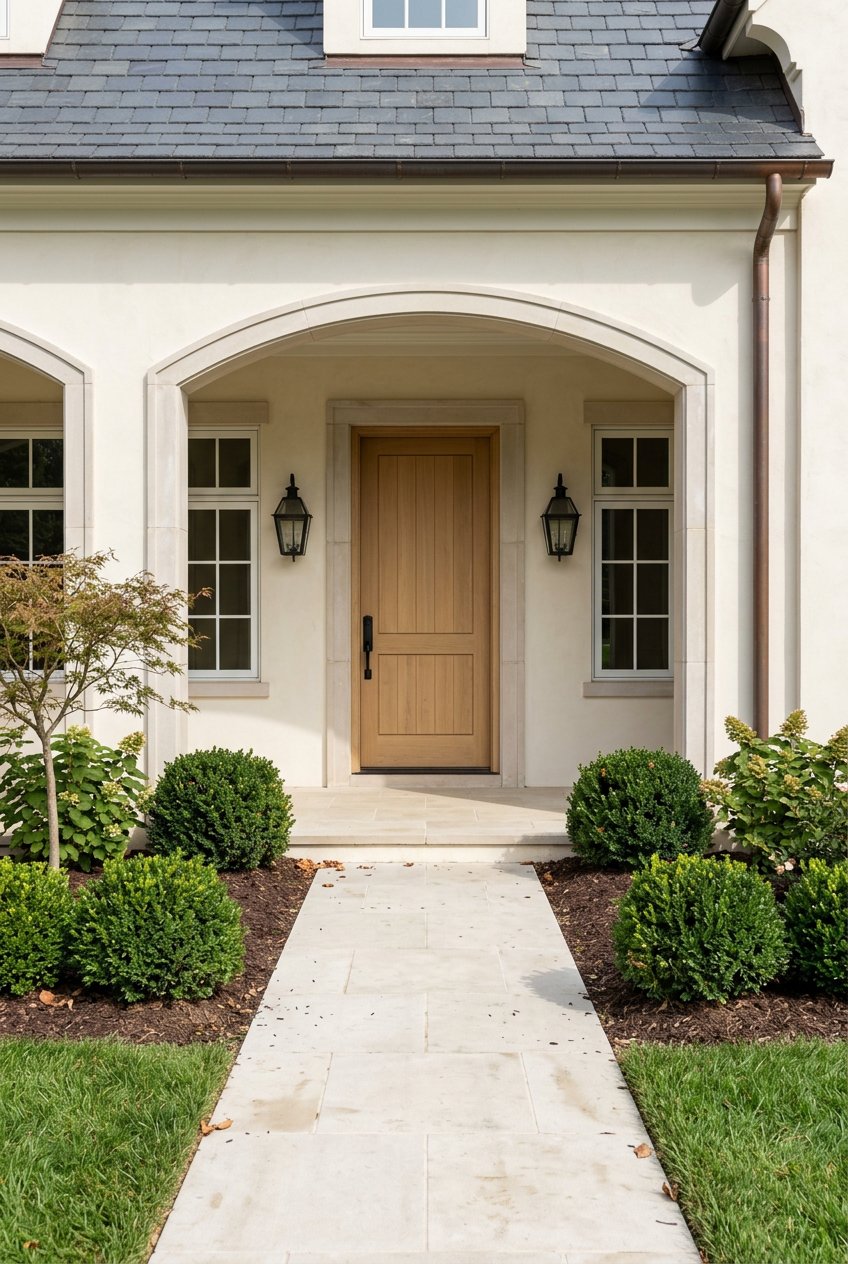
Relocating to Chapel Hill for Work: 2026 Buyer Guide
March 24, 2026
March 24, 2026
Starting a new role at UNC, UNC Health, Duke, or in RTP and wondering where to live in Chapel Hill? You want an easy commute, a home that fits your lifestyle and budget, and a process that works even if you cannot be here in person. This guide gives you clear next steps: what homes cost, how long commutes really take, where to focus your search, and how the North Carolina contract works for remote buyers. Let’s dive in.
The Chapel Hill market offers a wide range of options, from in‑town condos to planned communities with amenities. Recent sources show townwide medians that vary by methodology. MLS and Redfin reported a median sale price around $520,000 in February 2026, Zillow’s modeled index placed values higher, and county revaluation figures trend higher still. These tools measure different samples and timing. For decisions, rely on current MLS comps for your target neighborhood.
Typical market cadence in early 2026 includes roughly 50 to 60 days on market, though timing shifts by area and price point. Planned communities often see steady demand, while older or unique properties can take longer.
Chapel Hill’s mean commute time is under 20 minutes according to recent ACS data, which reflects how many residents work at or near UNC. The town and UNC have also taken steps to expand housing options through policy updates that support additional supply, which may influence future availability and types of homes built. You can read more about these efforts in recent local reporting on Chapel Hill’s housing initiatives.
Chapel Hill Transit runs fare‑free routes across Chapel Hill, Carrboro, and UNC, with regional connections through partner agencies. Schedules and frequency vary by route and time of day, so check current maps and timetables on the Chapel Hill Transit site.
If you want a walkable lifestyle, target the Franklin Street corridor and nearby neighborhoods. Walk Score’s Franklin Street page shows strong walkability, and many residents bike to campus or use frequent bus service.
If you plan to drive to a campus or in‑town job, review on‑campus parking options early and be aware of neighborhood residential permit zones and special event restrictions. These policies matter if you choose a highly walkable area close to UNC.
You will find a full spectrum of homes, from compact in‑town condos to planned communities with trails, pools, and village centers. Price bands below reflect recent patterns and will vary by location and condition.
Northside, the West Franklin corridor, and historic pockets near campus offer short walk or bike commutes and older home styles like bungalows, Craftsman, and Colonial‑revival. These areas are highly convenient, and pricing often reflects the location and character of the homes.
If you commute to RTP or split time between Chapel Hill and Durham, focus on neighborhoods with quick highway access and park‑and‑ride options. Meadowmont and Southern Village offer planned streetscapes, townhomes, and single‑family homes near retail and services. Suburban edges like Lake Hogan Farms and other 15‑501 or I‑40 corridor communities offer larger homes and lots.
| Neighborhood or Area | Typical commute band | Typical price band | Common housing type |
|---|---|---|---|
| Franklin St, Northside, in‑town | Walk, bike, or under 10 minutes to UNC | Mid $400,000s to $800,000+ | Older bungalows, small historic homes, townhomes |
| Meadowmont, Southern Village | About 10 to 20 minutes to UNC, 20 to 30 to RTP | $700,000s to $1M+ | Planned single‑family, townhomes, village amenities |
| NC‑54 and I‑40 corridor mix | 10 to 25 minutes to UNC or RTP | Condos/townhomes ~$200,000s–$400,000s; SF ~$450,000–$800,000 | Condos, townhomes, varied single‑family |
| Suburban estates and golf communities | 15 to 30 minutes to UNC or RTP | $700,000s to $1M+ | Larger single‑family, some gated or HOA amenities |
Use this table as a starting point, then refine with current MLS comps for your exact target streets and subdivisions.
North Carolina uses a standard contract that includes a negotiated due diligence fee and a defined due diligence period. The fee is paid by the buyer, and the period is your window to complete inspections, appraisal, and any additional review. You may terminate for any reason within that period, but the due diligence fee is generally non‑refundable once the seller accepts your offer. Knowing the right fee amount and period length is strategic in a competitive offer. Review the state form language in the NC Offer to Purchase and Contract and discuss specifics with your agent.
Financed purchases commonly close in about 30 to 45 days from contract. Cash can be faster. Appraisal scheduling, underwriting, title work, and resolving title exceptions can extend that window, so plan your move with buffer time. See a practical overview of closing timelines in North Carolina from Legal Clarity.
Residential closings in North Carolina are attorney‑supervised. A closing attorney examines title, coordinates settlement, and issues title commitments. If you will not be in town, ask early about acceptable remote options and whether your lender allows a Power of Attorney or remote online notarization. For background on how closings and title insurance work in North Carolina, visit the state’s consumer resource on title insurance and closings.
North Carolina permits remote electronic notarization, but acceptance depends on your lender and the closing attorney. Some lenders allow a transaction‑specific Power of Attorney, while others require in‑person signing. Confirm requirements as soon as your offer is accepted. The NC Real Estate Commission has published guidance showing that remote electronic notarization is here to stay.
In early 2026, 30‑year fixed mortgage rates averaged near 6 percent. Your monthly payment is sensitive to rate movement, so obtain a strong pre‑approval and discuss rate‑lock timing with your lender. You can track national averages on Freddie Mac’s PMMS.
Orange County completed a countywide revaluation in 2025. Your actual tax bill depends on the assessor’s current value and the combined rates for the county, town, and any special districts. Properties inside Chapel Hill town limits pay a town rate in addition to county and other applicable rates. Always calculate estimated annual taxes using the current assessed value and the latest published rates. For context on town finances and tax rates, see Chapel Hill’s Annual Comprehensive Financial Report.
Use this as a guide, then adjust to your start date and travel schedule.
Relocating for a new role is exciting and demanding. A local advocate helps you target the right neighborhoods, structure a strong offer under North Carolina’s due diligence rules, and coordinate inspections and closing logistics on your timetable. If you would like a private, tailored conversation about Chapel Hill and the greater Triangle, connect with Mollie Owen. Schedule a Private Consultation and get a plan that fits your goals and move date.
Stay up to date on the latest real estate trends.


Work with us for unparalleled Raleigh luxury real estate service. Our deep local insight, refined marketing, and 25+ years of experience mean high-value transactions handled with care and precision—reach out to see what we can achieve for you.
CONTACT US
3200 Wake Forest Rd, Suite 101 Raleigh, NC 27609