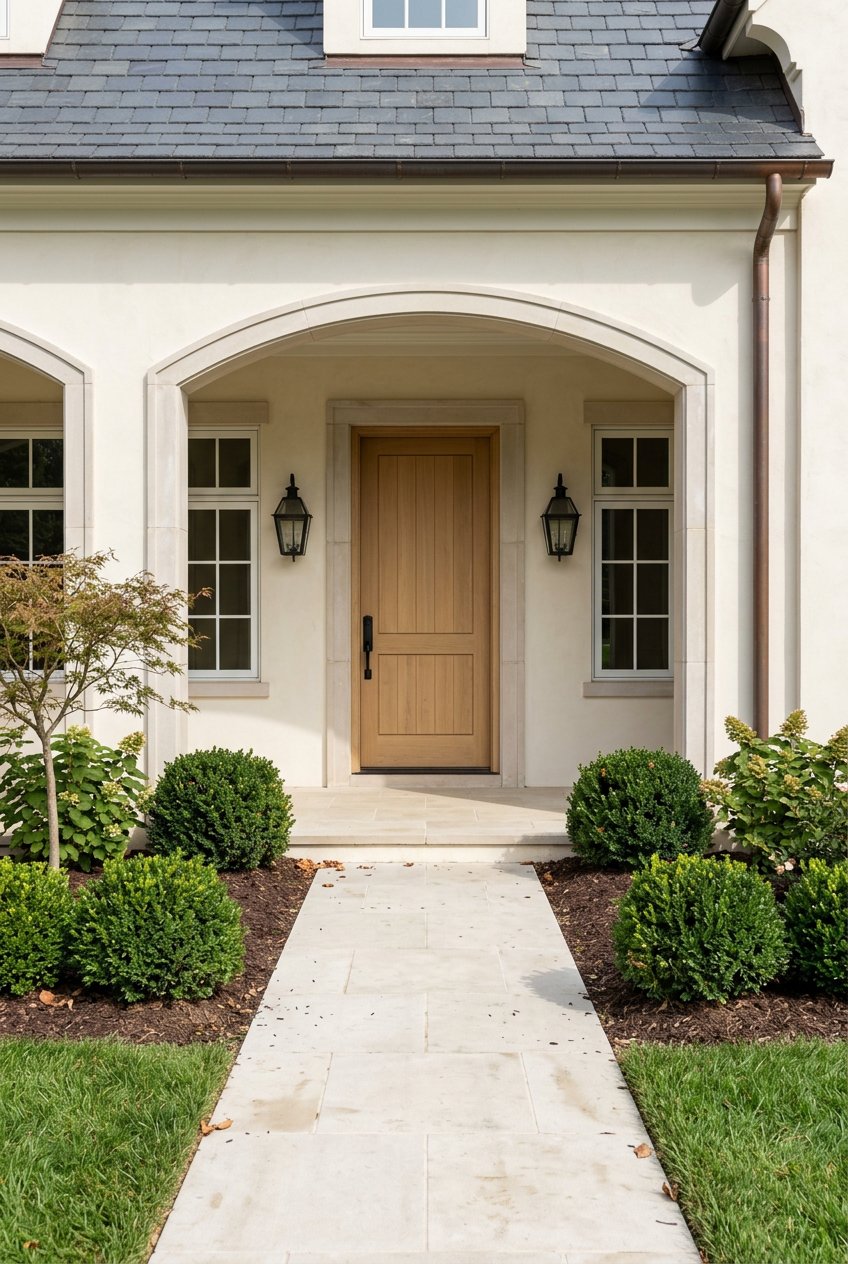
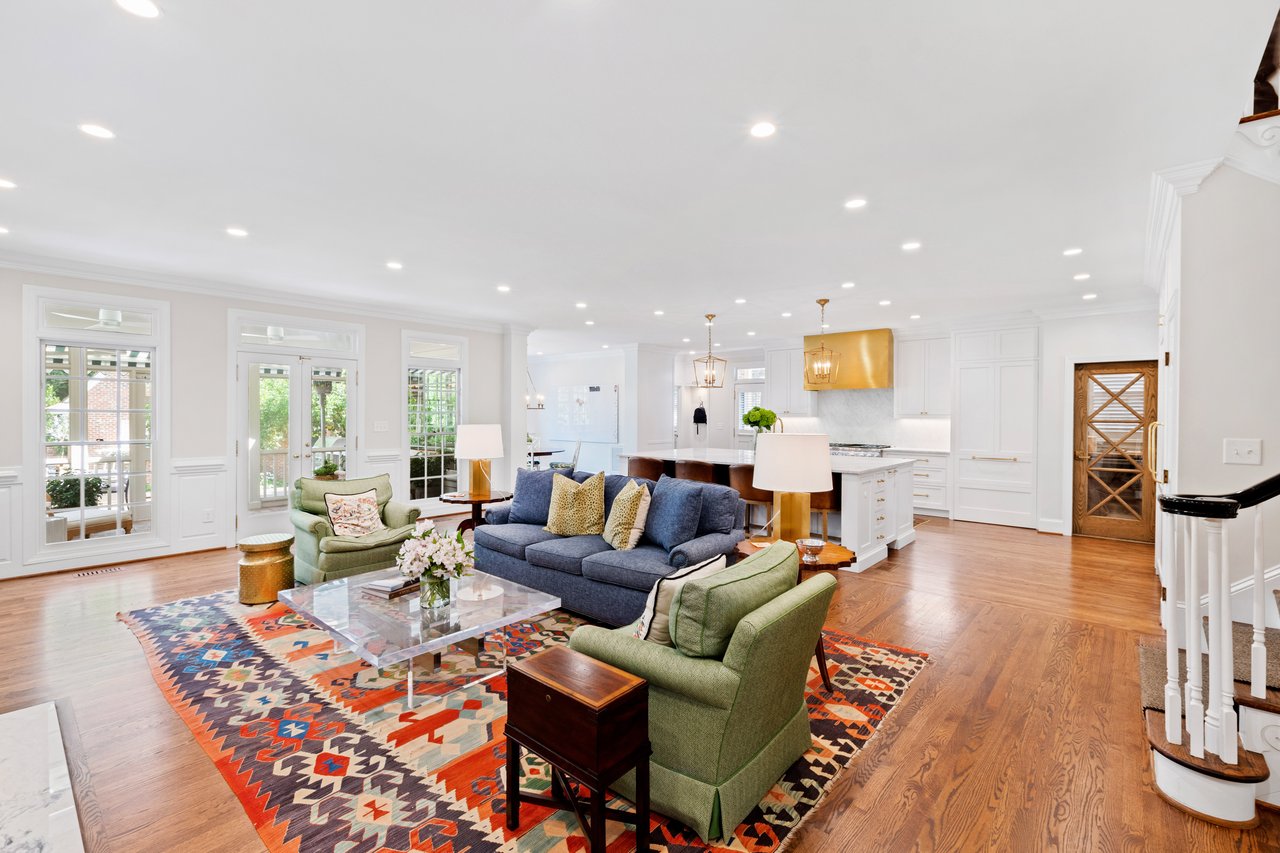
Thinking about listing a seven-figure home in Raleigh? In the luxury tier, first impressions are everything. Buyers expect move-in ready condition, refined presentation, and standout marketing that tells a clear story. This guide gives you a step-by-step plan to prepare, stage, and showcase your property for maximum impact. Let’s dive in.
What “luxury” means in Raleigh
“Luxury” is relative to the local market. In most metros, it refers to roughly the top 5 percent of properties by value. In Raleigh and greater Wake County, that often means seven-figure homes and estate-scale listings. Local coverage continues to highlight million-dollar closings, reinforcing strong upper-tier demand when a property is well presented. You can see examples of recent high-end sales in local reporting on notable closings, including a $2.4 million sale in Raleigh that underscores buyer activity at the top end.
- Reference: Recent seven-figure activity has been reported in local outlets, such as coverage of a $2.4 million closing in Raleigh, which signals a market where presentation and turnkey condition can sway outcomes. See the local report on a $2.4 million sale for context: Raleigh’s highest home sale highlighted in local coverage.
Why staging changes outcomes
Staging is not cosmetic. It shapes buyer perception and can improve both time on market and offer strength. According to a National Association of REALTORS report, agents widely observe that staging increases buyer interest, can reduce days on market, and often lifts offer amounts within a modest 1 to 10 percent range compared to similar unstaged homes. NAR also identifies three rooms to prioritize: the living room, the primary bedroom, and the kitchen. Learn more about these findings in the NAR home staging report.
Core principles for Raleigh luxury prep
- Lead with function and maintenance. Ensure systems, roof, HVAC, pool, and major items are serviced or documented. High-net-worth buyers want confidence in the home’s condition.
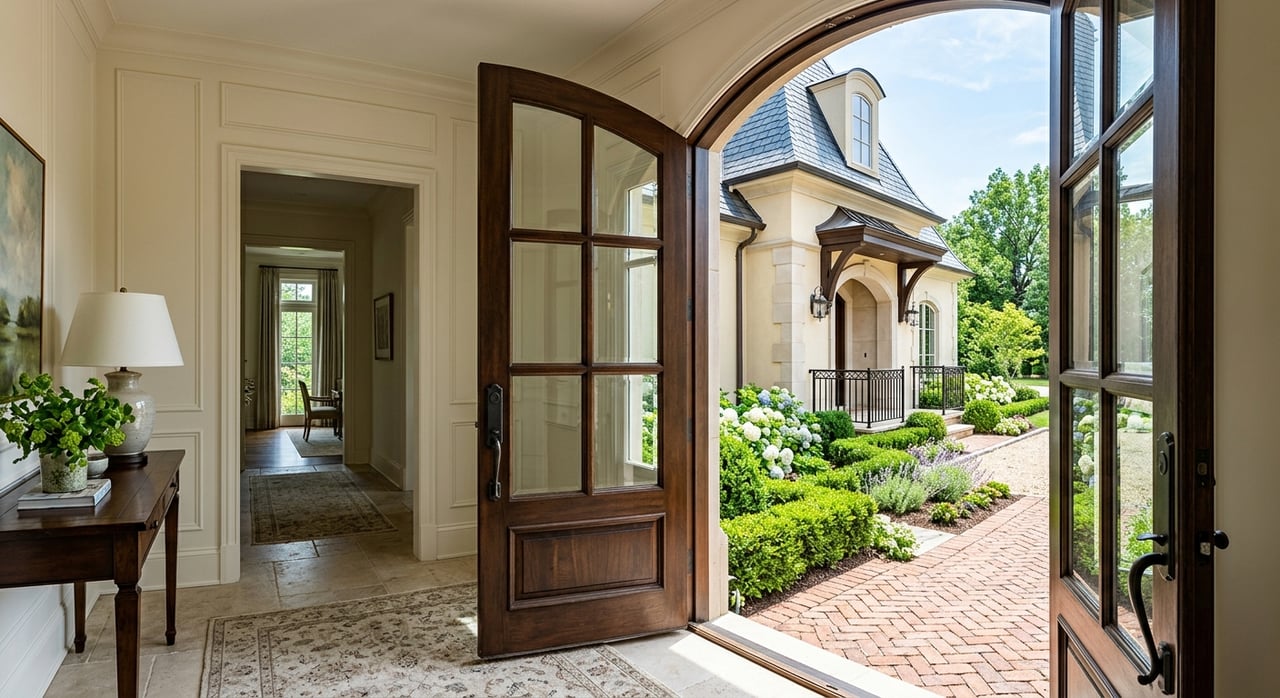
- Stage the lifestyle. Scale furniture to the architecture, show uncluttered sight lines, and highlight premium finishes and outdoor living.
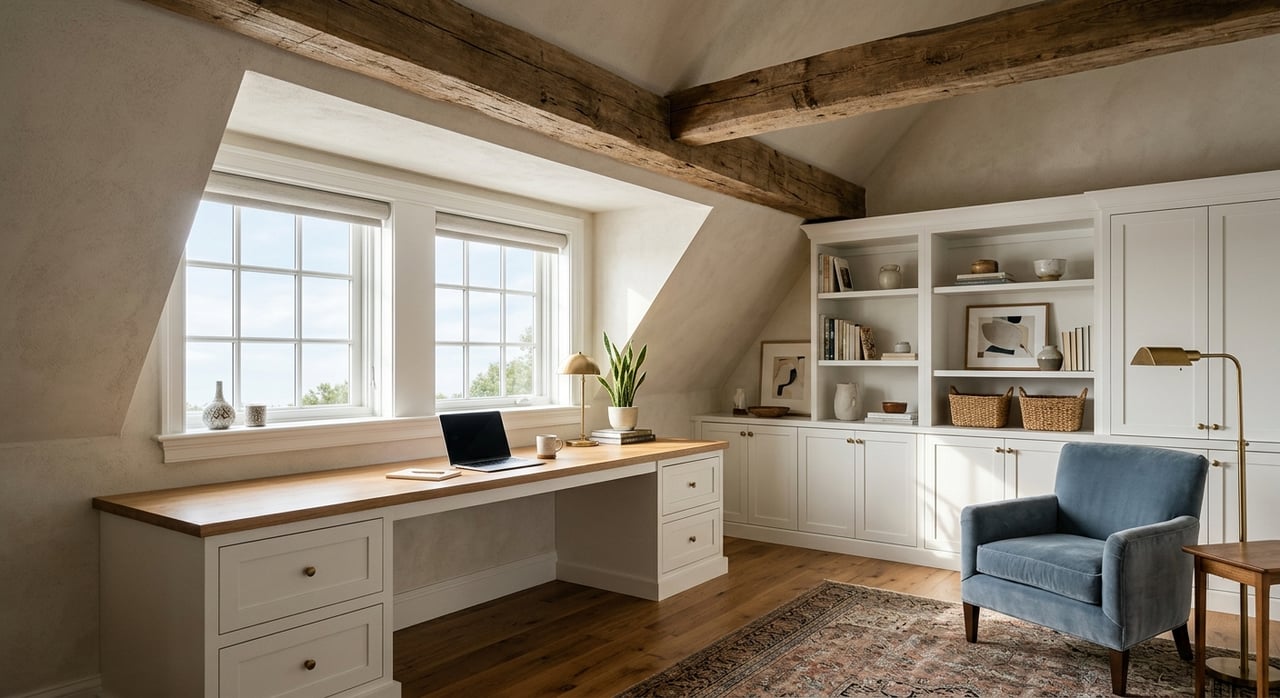
- Neutral, refined storytelling. Use curated art, quality linens, and edited accessories. Keep the focus on space, light, and craftsmanship.
- Photograph last. Stage completely before you shoot. Your photos and video are the true first showing.
High-impact rooms to stage first
Focus on rooms that anchor buyer decisions.
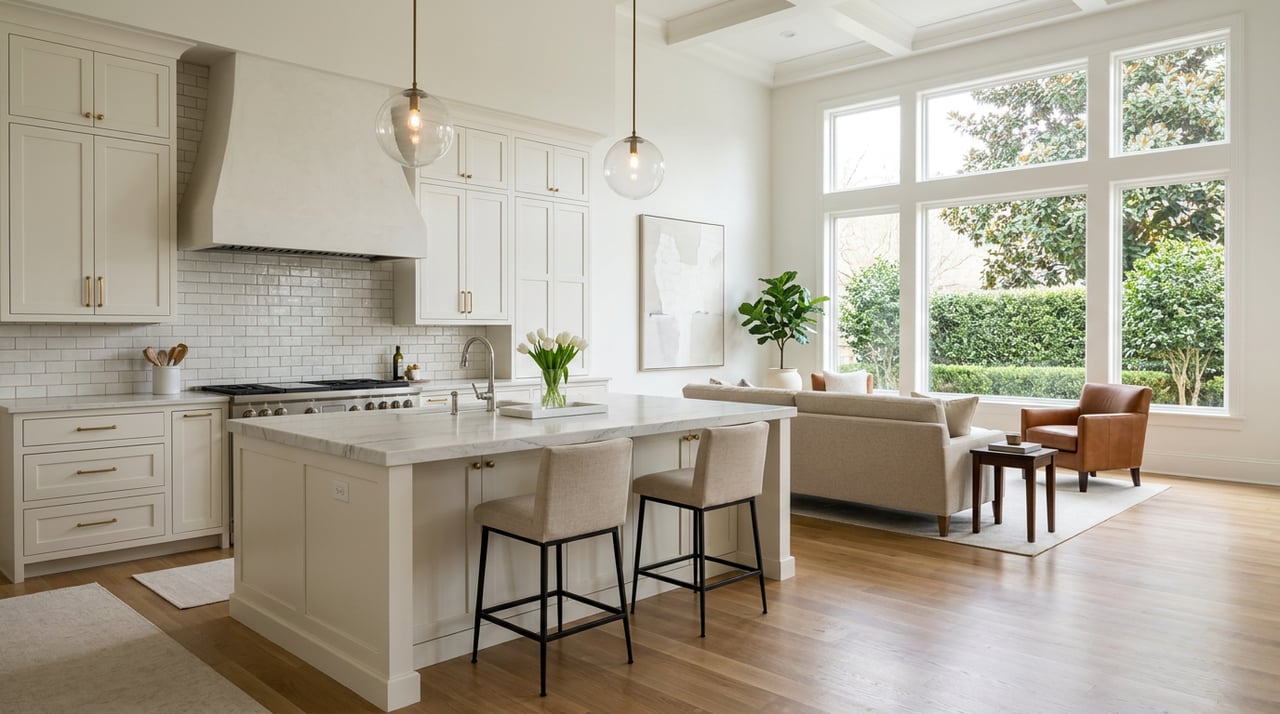
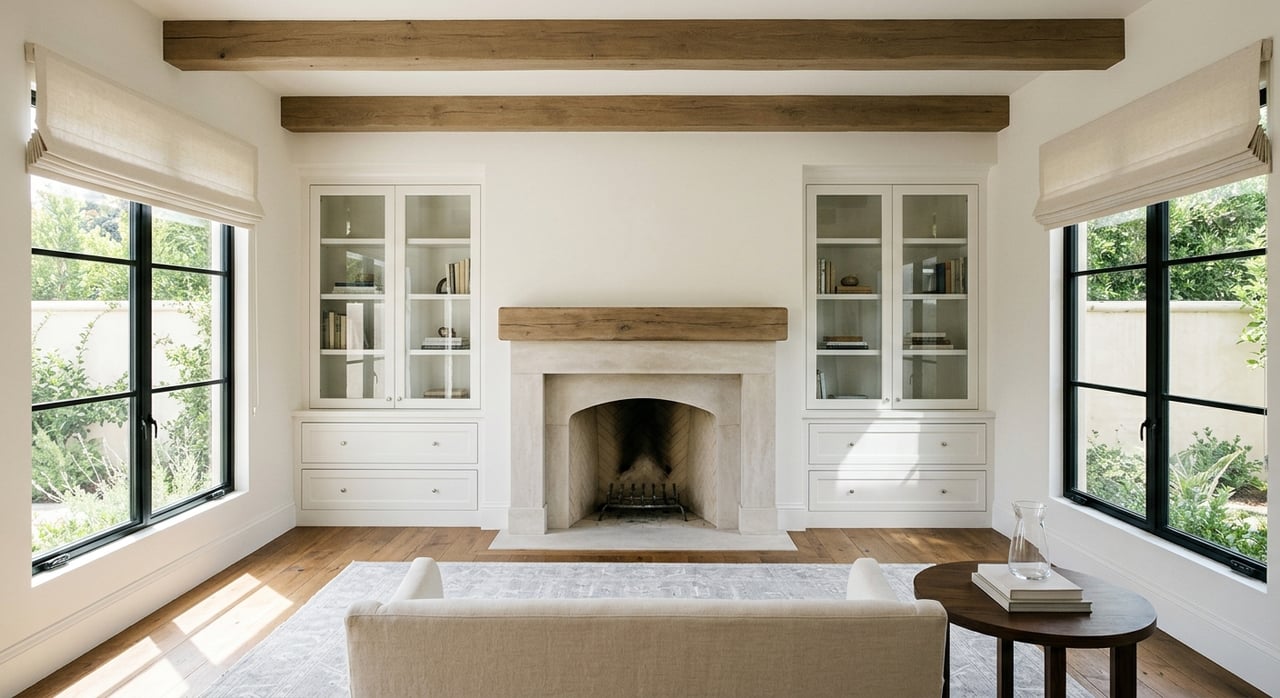
- Living or great room. Create a clean seating arrangement with one statement rug, remove excess pieces, and let windows read bright and clear.
- Primary suite and bath. Aim for a spa feel with premium neutral linens, uncluttered surfaces, fresh grout and caulk, and even lighting.
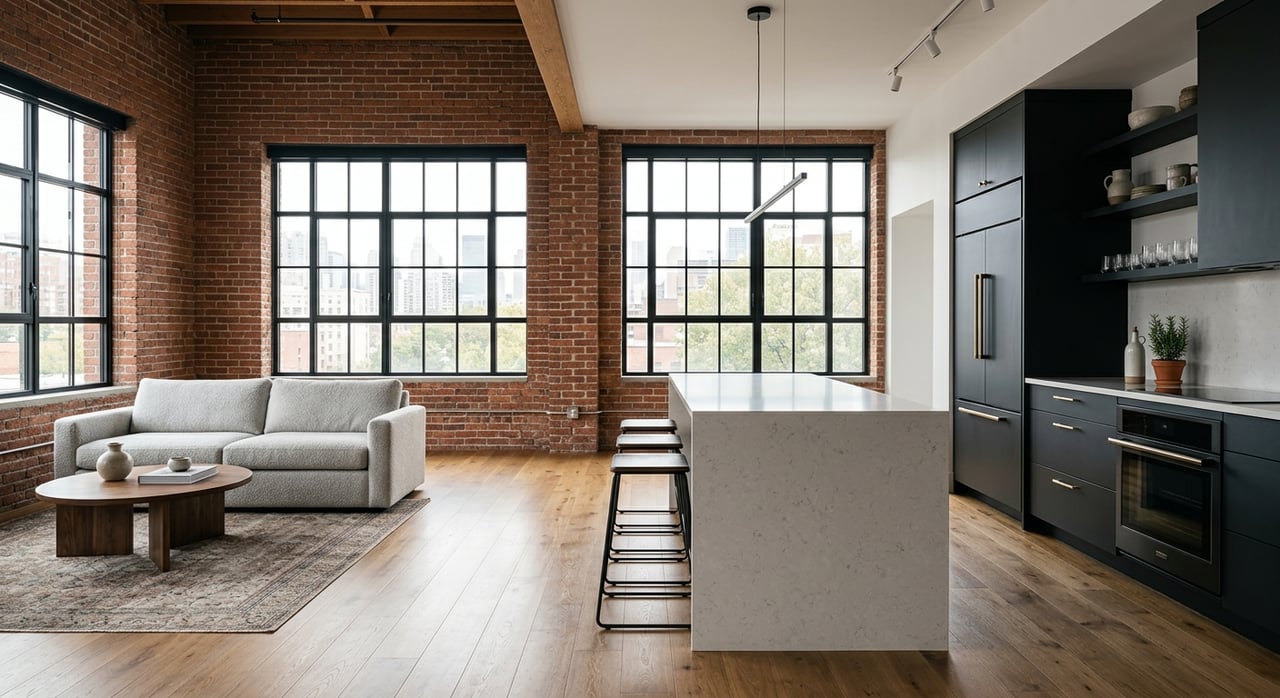
- Kitchen. Clear counters, showcase a few high-quality appliances, update dated hardware, and verify bulbs match in color temperature for a crisp look.
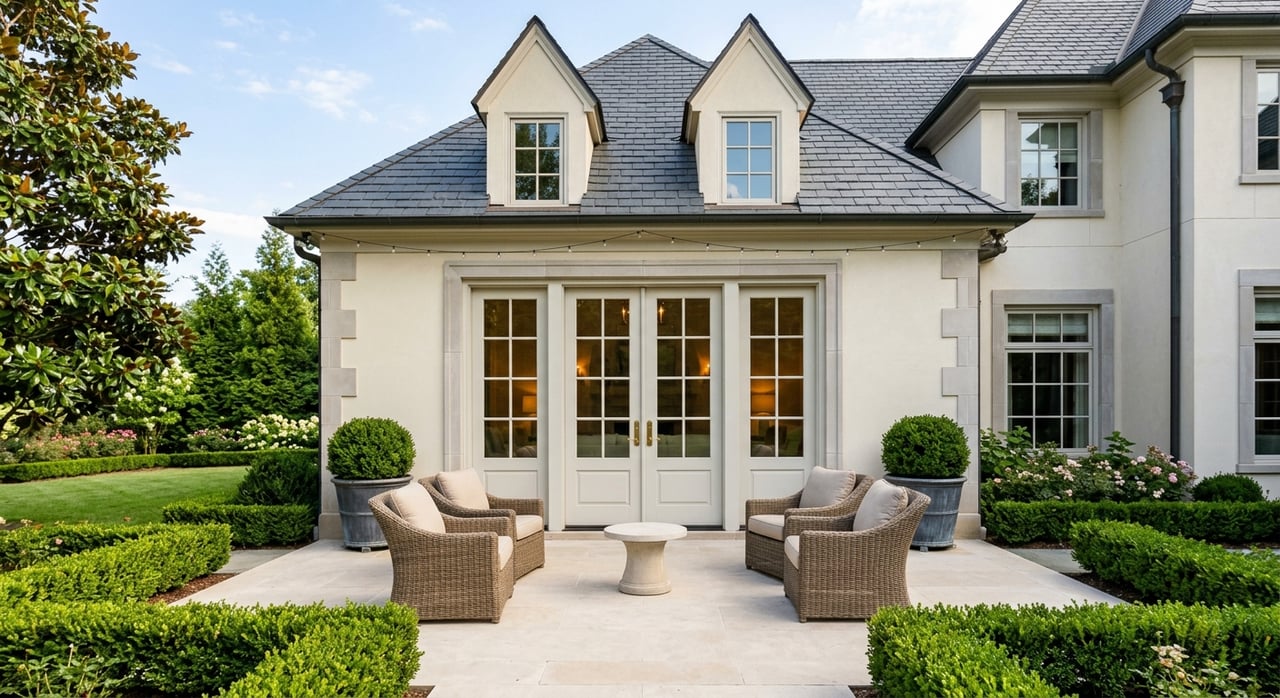
- Inside-out entertaining. Style patios, terraces, and pool areas, and tidy landscaping so the lifestyle flows outdoors.
NAR’s data supports these room priorities. See the NAR staging insights for which spaces matter most.
Strategic updates that pay off
Before investing in major renovations, consider targeted projects that often deliver stronger resale payback. The industry-standard Cost vs. Value report shows that modest interior refreshes and smart exterior upgrades commonly outperform large gut remodels in terms of recouped cost. Examples include a minor kitchen refresh, new entry or garage door, and crisp landscape maintenance. Review national payback trends in the Cost vs. Value report.
Your pre-listing timeline
Use this planning arc if you intend to list in the next 3 to 12 months.
3 to 12 months out
- Order a pre-listing walk-through inspection to spot issues early and repair on your schedule.
- Compile service records for HVAC, roof, pool, structural items, plus HOA documents and any permits. A clean file builds buyer confidence.
- Map targeted updates guided by Cost vs. Value data. Prioritize small kitchen refreshes and high-ROI curb appeal.
6 to 8 weeks out
- Deep clean and repaint in a neutral palette. Refinish or touch high-traffic flooring.
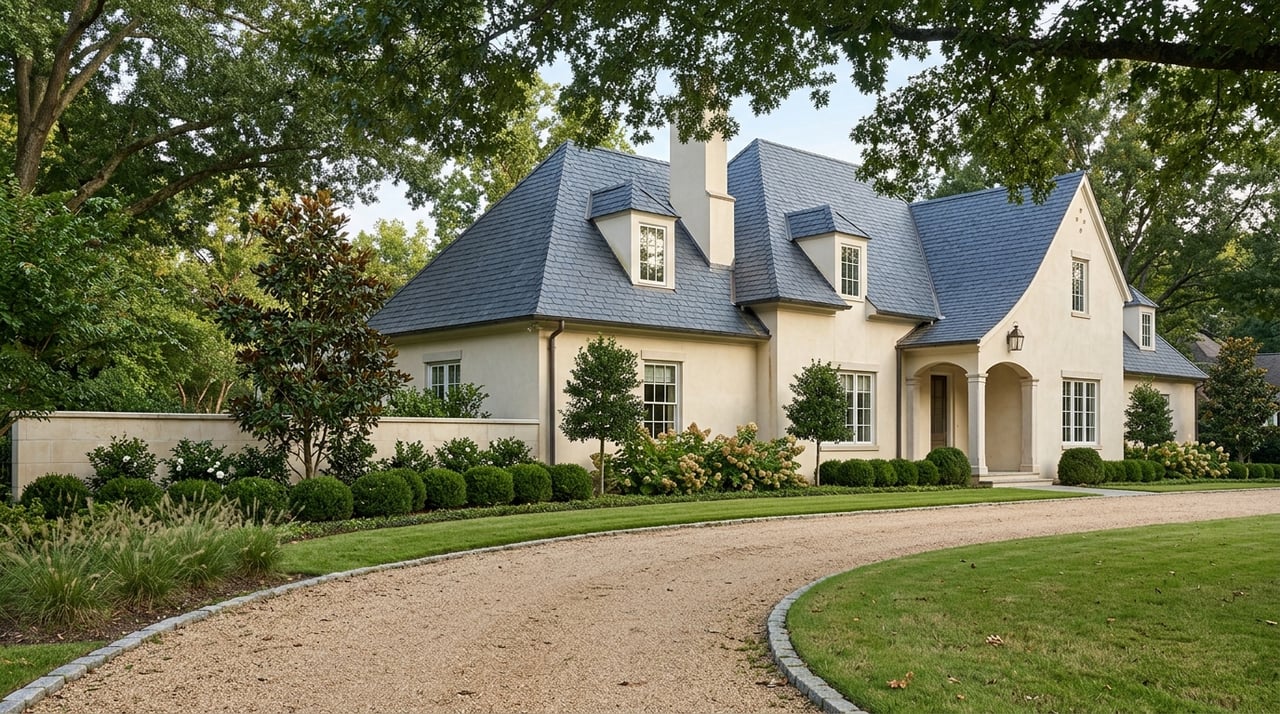
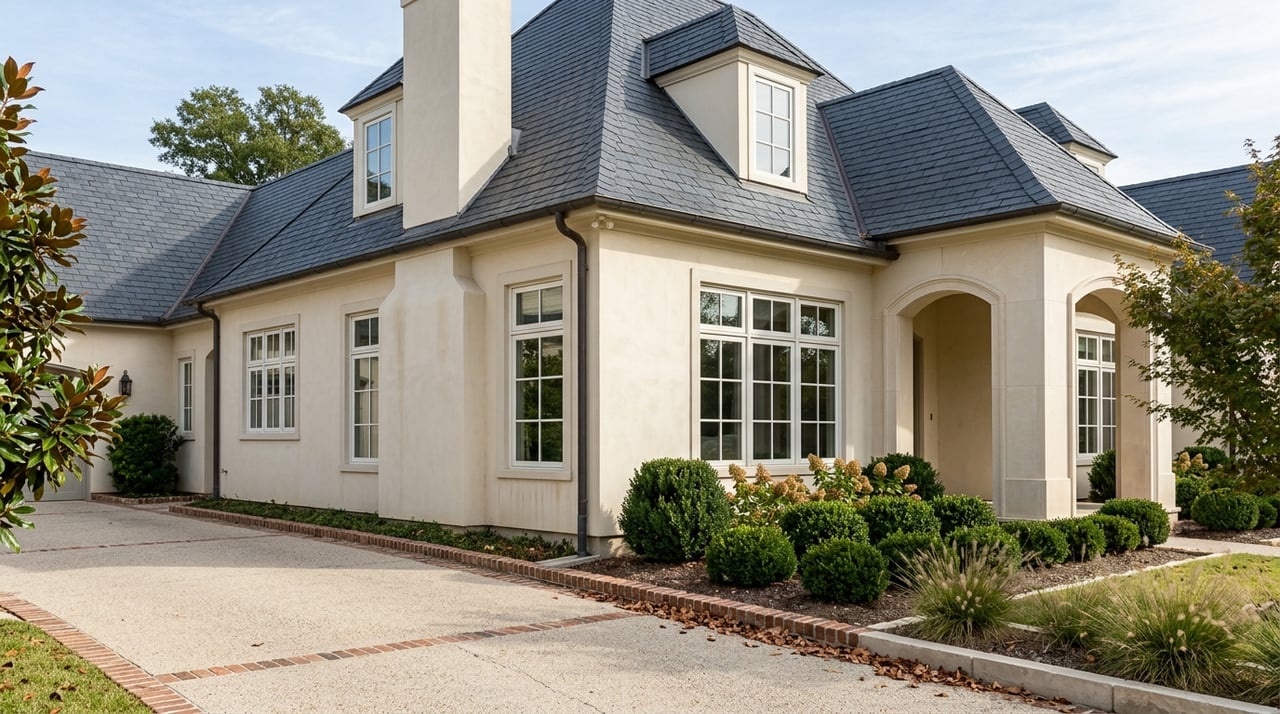
- Refresh landscaping. Add mulch, trim hedges, and power-wash hardscapes. Simple curb work often punches above its cost.
- Book your stager and confirm delivery and removal windows. If you must prioritize, stage the living room, primary suite, kitchen, and main entertaining areas. Browse Raleigh stagers through a local directory like Porch’s list of home stagers to start vendor conversations.
1 to 2 weeks out
- Complete final staging. Schedule professional photography, drone, and a 3D tour with measured floorplans.
- Build a polished buyer packet. Include floorplans, inspection summary, service receipts, and HOA docs.
Listing week
- Capture twilight exteriors if your lighting, pool, or skyline views shine at dusk.
- Ensure the virtual tour and short cinematic video are ready for remote buyers. For aerial needs, see a local example of services in Raleigh: drone and aerial real estate media.
Elevate your media package
Top-tier marketing attracts top-tier buyers. Many luxury shoppers will screen your home online before they step inside. Your minimum media set should include:
- Professional interior and exterior photography that is wide-angle, well lit, and color-corrected.
- Drone stills and a short aerial video to show the lot, pool, setting, and area context.
- Twilight exteriors if evening ambiance adds drama.
- A 3D tour and measured floorplan for remote or out-of-market buyers.
- A short cinematic property video for social and broker channels.
Schedule photographers 7 to 14 days in advance and confirm weather windows for exteriors and drone. Ask for deliverables in writing, including print-ready and web-sized images, video files, and tour embed links. To see typical add-on costs for packages, review this overview of real estate photography pricing.
Budgeting and choosing vendors in Raleigh
Every property is unique, but common local ranges can help you plan.
- Staging. Occupied or partial staging often falls between about 1,500 and 6,000 dollars in the Raleigh area. Large, vacant luxury estates with high-end inventory can exceed 10,000 to 25,000 dollars depending on scope and duration. Always request an itemized quote for design, setup, monthly rental, and removal. Start your shortlist with directories such as Porch’s Raleigh stagers.
- Photography and media. Professional stills often range 150 to 500 dollars. Drone add-ons typically run 150 to 400 dollars, with twilight, 3D tours, and video priced separately. Ask for bundled marketing packages. See a general pricing summary here: real estate photography cost overview.
- Drone and aerials. Use experienced operators who understand luxury angles and neighborhood context. A local provider example is Scala Photography’s drone services.
When vetting any vendor:
- Review portfolios with before-and-after examples for luxury work.
- Ask for recent Raleigh references and agent referrals.
- Confirm furniture inventory quality and scale for vacant staging.
- Verify insurance coverage and a clear contract with timelines.
- Clarify fees, monthly rental terms, and handling policies in writing.
North Carolina disclosures and logistics
Most residential sellers in North Carolina must provide two forms to buyers before an offer: the Residential Property and Owners’ Association Disclosure Statement (RPOADS) and the Mineral and Oil and Gas Rights Disclosure (MOGS). While you may answer many items as “No Representation,” the forms themselves are required in most transactions, and known material facts must be disclosed. For details, see the North Carolina Real Estate Commission bulletin on required seller disclosure statements.
If your home is in a community with an HOA, confirm any photo or drone rules, contractor timing restrictions, or approvals needed for exterior staging changes.
Quick checklists
Three-month planning
- Order a pre-listing inspection and outline repairs.
- Compile service records, permits, and HOA docs.
- Choose your listing agent and staging partner.
- Decide on targeted updates aligned with Cost vs. Value data.
Six-week execution
- Deep clean, neutral paint, and minor repairs.
- Landscaping refresh and power-wash hardscapes.
- Book stager, photographer, and drone operator. Schedule staging delivery.
Two-week to listing week
- Final staging completed; pro photos, drone, and twilight captured.
- Build a digital buyer packet with floorplans, 3D tour, and receipts.
Show-ready routine
- Light neutral scent and fresh flowers.
- Clear counters and hide personal photos.
- Tidy garage and service areas.
- Set HVAC to a comfortable temperature for tours.
Bringing it all together
In Raleigh’s luxury market, presentation equals credibility. A targeted plan that blends smart updates, curated staging, and polished media can shorten time on market and protect your price. If you want a senior-level strategy tailored to your property, connect with a boutique team that specializes in premium listings and refined marketing across the Triangle. Schedule a Private Consultation with Mollie Owen.
FAQs
What price point defines luxury in Raleigh real estate?
- In most markets, luxury refers to roughly the top 5 percent of homes by value. In Raleigh and Wake County, that often aligns with seven-figure properties and estate-scale listings.
Which rooms should I stage first to sell a high-end home?
- Prioritize the living room, primary bedroom, and kitchen, which NAR identifies as the most influential spaces for buyers; then style outdoor entertaining areas.
How much does luxury home staging cost in Raleigh?
- Occupied or partial staging often ranges 1,500 to 6,000 dollars, while full-furniture staging for large estates can exceed 10,000 to 25,000 dollars depending on scope and duration.
Do I need major renovations before listing a luxury property?
- Usually not. The Cost vs. Value report shows targeted updates like minor kitchen refreshes and curb appeal improvements often outperform major remodels on resale payback.
What seller disclosures are required in North Carolina?
- Most sellers must provide the Residential Property and Owners’ Association Disclosure Statement and the Mineral and Oil and Gas Rights Disclosure before an offer, while also disclosing known material facts.