Wondering how far $1 million really goes in the Triangle? You have options, but the experience looks different in Raleigh, Durham, and Chapel Hill. If you are moving up or relocating for work, it helps to understand the tradeoffs between space, age, location, and lifestyle. This guide compares each city at a glance, highlights neighborhoods to consider, and shares ownership tips so you can focus your search with confidence. Let’s dive in.
At a glance: what $1M buys
- Raleigh (Wake County): Larger selection and variety. Expect newer construction and more square footage in suburban areas, or a smaller renovated home close to downtown. Choices include established neighborhoods and new-build communities with convenient highway access.
- Durham: Character and range. You often see renovated historic homes near the core, or custom builds on bigger lots outside the city center. Walkable pockets and a growing dining and cultural scene are strong draws.
- Chapel Hill: Premium for proximity to UNC and town amenities. Inventory is smaller, and many homes are older. New construction is limited near the center, so buyers sometimes look to nearby areas for larger, newer options.
Raleigh: space, variety, and access
What $1M commonly buys
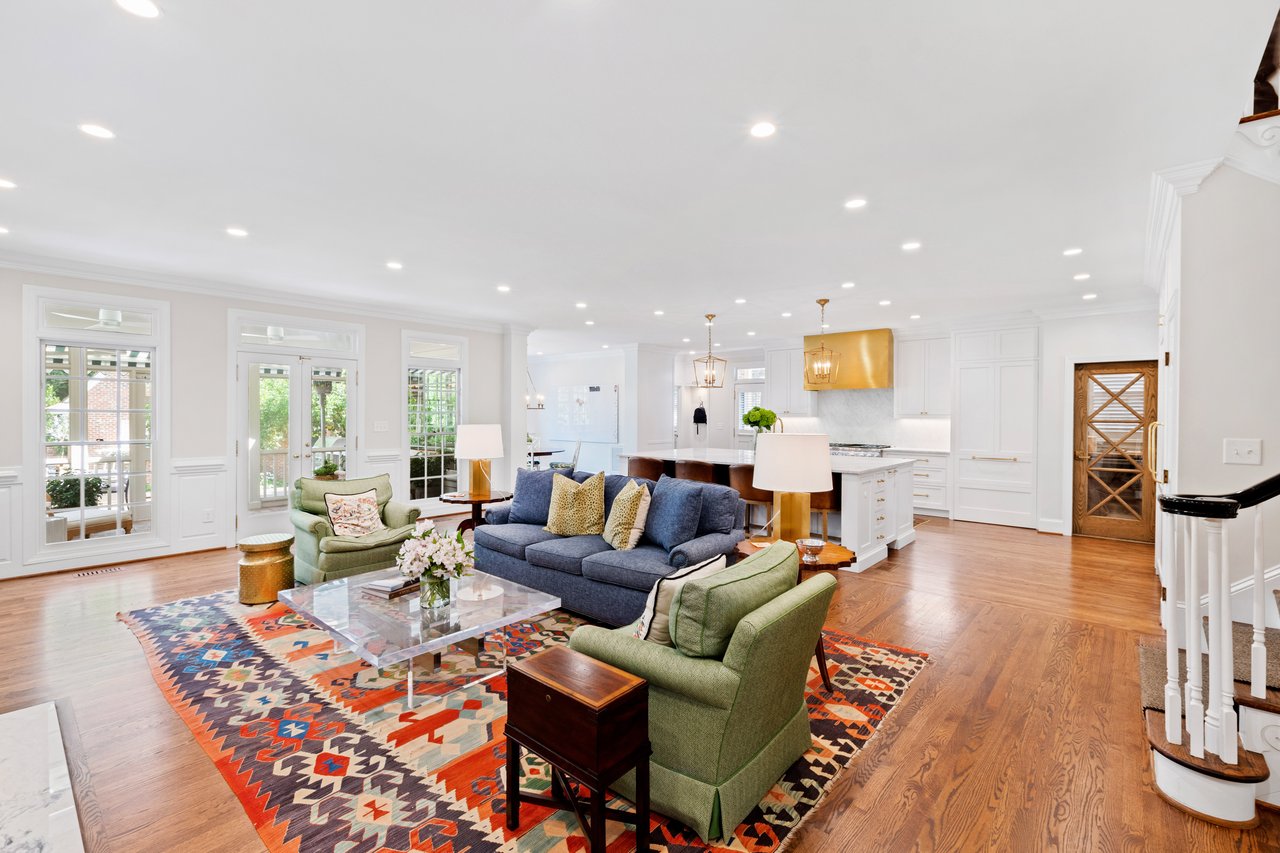
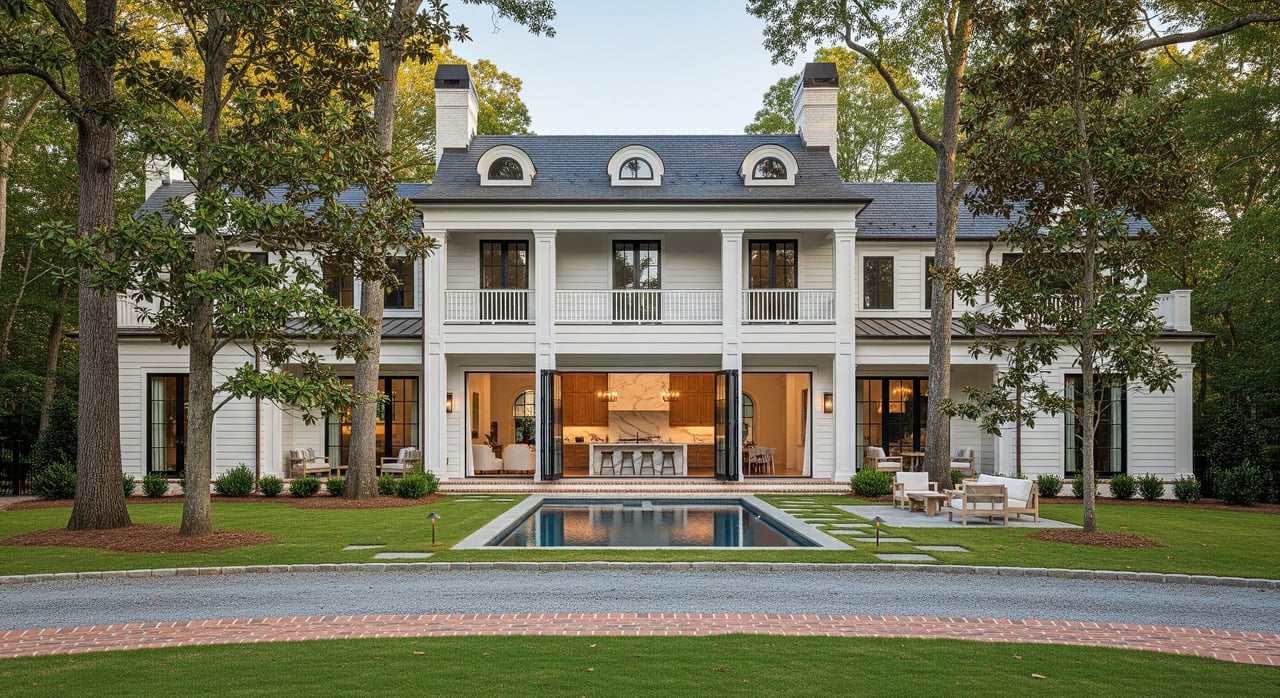
In Raleigh and Wake County, $1 million often secures a newer single-family home with modern finishes and 3,000 to 4,500 square feet in suburban corridors. You can also find renovated homes in central neighborhoods with mature trees and strong access to restaurants and services. Townhomes and condos near North Hills or Downtown Raleigh exist, though luxury or larger penthouses are the ones that approach this price.
Expect a tradeoff between size and location. The closer you get to downtown or highly walkable nodes, the smaller the footprint and the higher the price per square foot. Farther out, you tend to gain space, yard size, and newer systems.
Neighborhood snapshots
- North Raleigh and the North Hills corridor: Strong access to shopping and commuter routes. Newer and renovated homes are common, with a mix of established streets and master-planned communities.
- Five Points, Hayes Barton, and Mordecai: Central, tree-lined neighborhoods with renovated older homes. Footprints can be smaller at this price, but walkability and classic architecture are appealing.
- Brier Creek and Wake Forest outskirts: Larger homes, newer construction, and easy access to major highways and the airport. You often see HOA-managed amenities and a suburban feel.
Who Raleigh fits well
If you want space, strong resale liquidity across a wide area, and a mix of urban and suburban options, Raleigh delivers. Move-up buyers often find the larger layouts and yards they want, while relocating professionals appreciate the commuter access to job hubs across Wake County and RTP.
Durham: character and urban energy
What $1M commonly buys
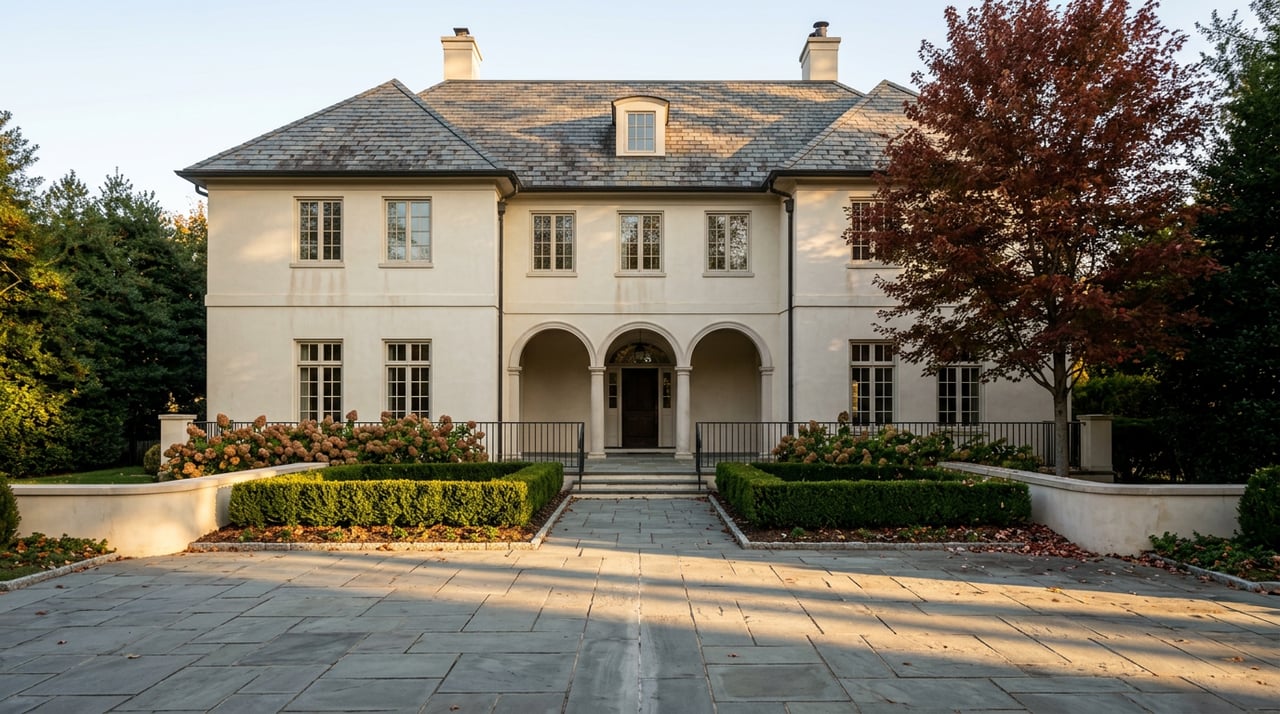
In Durham, $1 million can translate to a renovated historic home with original details near downtown, or a custom build on a larger lot farther out. You may also see high-end lofts or conversions in warehouse districts, though these are less common at this price unless heavily upgraded.
Many buyers value Durham’s blend of established neighborhoods and new infill. The city’s inventory is more heterogeneous, so touring a few areas is key to see how features and finishes vary at this price.
Neighborhood snapshots
- Trinity Park and Old West Durham: Historic homes near the urban core with walkable amenities. Expect character features and updated systems in well-renovated properties.
- Forest Hills: Known for larger historic homes and leafy streets. Buyers often find space and charm, with quick access to central Durham.
- Hope Valley and Southpoint/Erwin Road areas: Mix of classic homes and newer construction. Proximity to retail and commuter routes serves professionals who split time between RTP, Duke, and downtown.
Who Durham fits well
If you want architectural character, a growing food and arts scene, and a balance of city living with larger lots in select pockets, Durham is compelling. Relocating professionals linked to medical centers or biotech hubs often value the location and culture, while move-up buyers appreciate the variety of home styles.
Chapel Hill: university town and limited supply
What $1M commonly buys
In Chapel Hill, $1 million typically buys a single-family home in an established neighborhood, often with mature landscaping and an older build date. Near the town center or UNC, you may find mid-sized updated homes or a luxury townhome. Larger, newer homes are more common on the outskirts or in nearby areas like Carrboro and parts of North Chatham or Orange County.
Inventory is more constrained here. Buyers often trade newer finishes and larger square footage for proximity to campus, town amenities, and a classic college-town feel.
Neighborhood snapshots
- Meadowmont and nearby newer communities: Planned neighborhoods with sidewalks and amenities. Some newer options exist, though choices can be limited at this price.
- Central Chapel Hill and near UNC: Updated homes with smaller lots. Walkability and access to campus and town services are key draws.
- Carrboro-adjacent and North Chatham/Orange County edges: More opportunity for larger, newer homes while staying close to Chapel Hill amenities.
Who Chapel Hill fits well
If you value a small-town atmosphere, proximity to UNC, and the lifestyle that comes with it, Chapel Hill is a natural fit. Many buyers prioritize location and community amenities, understanding that new-build options within town are limited and competition can be higher.
Key tradeoffs to weigh
- Space vs location: Larger, newer homes are more common in suburban corridors, while in-town areas trade square footage for walkability and access.
- New vs historic: New construction offers modern systems and lower near-term maintenance. Historic homes deliver character and established streetscapes but may require more upkeep and careful planning for updates.
- Commute vs neighborhood amenities: Proximity to job centers improves drive times, while town-center living offers dining, events, and culture close by.
- Lot size vs walkability: Bigger yards are more common outside core areas. In-town homes often have smaller lots with higher price per square foot.
- HOA convenience vs flexibility: Planned communities may include amenities and maintenance support. Review covenants to ensure they match your preferences.
Ownership and inspection priorities at $1M
At this tier, you should expect high-quality systems and sound structure, but always verify through due diligence. Plan a full home inspection plus targeted evaluations for HVAC, roof, electrical, and plumbing. For older or historic properties, consider additional structural or roof assessments.
Evaluate the lot carefully. Look at drainage patterns, tree health, and yard usability. Confirm whether the property sits near a floodplain by reviewing county GIS resources. If it does, insurance needs and costs can change.
If you are buying in a historic overlay, check local preservation guidelines before planning exterior changes. In HOA communities, review covenants, fees, and reserve health. Carrying costs also vary by county, so confirm tax rates through Wake, Durham, and Orange county offices and review any special assessments.
Finally, think long term. Homes near major employment centers, popular neighborhood amenities, and sought-after attendance zones tend to have stronger resale liquidity.
How to focus your search
- Clarify your must-haves and nice-to-haves. Decide where you can flex: size, age, commute, or walkability.
- Choose a short list of neighborhoods in each city that align with your goals. Plan to tour one or two areas per weekend.
- Decide on new construction or resale. Newer homes deliver convenience, while established neighborhoods offer character and central locations.
- Get pre-approved early. This helps you move quickly if the right home appears in a competitive pocket.
- Tour representative homes around $1M in each city. Seeing the differences in layout, finishes, and lots will sharpen your direction.
- Test your commute. Drive at your typical times to RTP, downtown Raleigh or Durham, Duke, or UNC to confirm predictability.
- Review HOA, taxes, and insurance. Align monthly carrying costs with your budget and risk tolerance.
- Plan due diligence. Ask about age of systems, past renovations, permits, and any known easements or overlays.
Why work with a boutique senior broker
A focused, senior-led approach matters at the $1M level. You benefit from neighborhood-level insight, guidance on tradeoffs, and tailored search strategies that save time. You also gain refined presentation and negotiation support when it is time to compete for the right property.
With direct broker involvement and a boutique process, you receive attentive service instead of a handoff. Affiliation with a global network can extend your reach if you are selling and bring broader visibility to your listing. When you are ready, you deserve advice that is thoughtful, discreet, and grounded in local experience.
If you are weighing Raleigh, Durham, or Chapel Hill for a $1 million purchase, let’s align your wish list with the right neighborhood short list and a clear plan. Schedule a Private Consultation with Mollie Owen to get started.
FAQs
In Raleigh, Durham, and Chapel Hill, will $1M buy a large new house or a renovated historic home?
- It depends on location: Raleigh often offers larger new builds at this price, Durham leans toward historic or character-rich options with some custom builds, and Chapel Hill typically provides in-town homes with a premium on location and amenities.
How competitive is the $1M segment in the Triangle right now?
- Competition varies by neighborhood and season, but homes near walkable cores, employment hubs, or popular attendance zones often move faster and may draw stronger interest.
What should I prioritize if I am torn between commute and school options?
- Choose based on long-term goals: if resale and family needs lead, many buyers focus on school options; if day-to-day time matters most, prioritize commute predictability and proximity to work.
Are property taxes very different between Wake, Durham, and Orange counties?
- Differences exist by county and assessed value; verify current rates and any assessments through the respective county tax offices before you finalize your budget.
Is new construction easy to find in Chapel Hill at $1M?
- New construction within Chapel Hill’s town limits is limited; larger newer homes are more common on nearby edges in Orange or Chatham areas, or by exploring planned communities where available.