How to Sell a Luxury Home in Raleigh While Living There
June 18, 2026
June 18, 2026
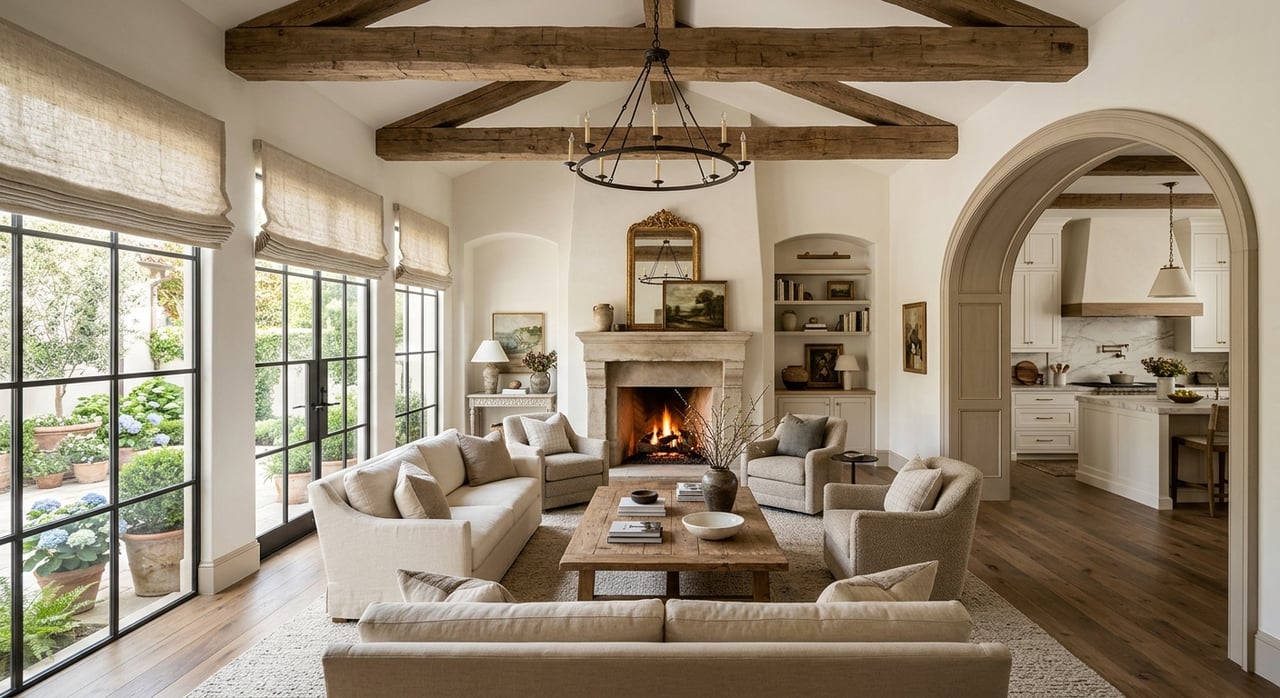
If you are selling a luxury home in Raleigh that you still live in, you do not need a picture-perfect, fully vacant property to make a strong impression. You do need a plan that helps your home look polished, feel calm, and stay ready for repeated showings without turning daily life upside down. In a market where Raleigh homes have been selling in a matter of weeks, thoughtful presentation and smooth logistics can make a real difference. Let’s dive in.
A lived-in luxury home often has something buyers respond to right away: warmth, scale, and a sense of real use. The goal is not to strip that away. The goal is to reduce distractions so buyers can focus on the architecture, finishes, layout, and outdoor spaces that make your property special.
That approach lines up with current staging guidance. The National Association of Realtors reported in 2025 that staging helps buyers visualize a home more easily, and many professionals said it can reduce time on market. For a luxury seller in Raleigh, that matters because presentation supports both perceived value and showing momentum.
Raleigh and Wake County market data also suggest buyers are moving with purpose. In May 2026, Raleigh homes sold at a median of $424,746 and averaged about 34 days on market, while Wake County homes were going pending in around 18 days as of late April 2026. Even though luxury homes follow their own pricing and marketing rhythm, these numbers reinforce a simple point: being prepared matters.
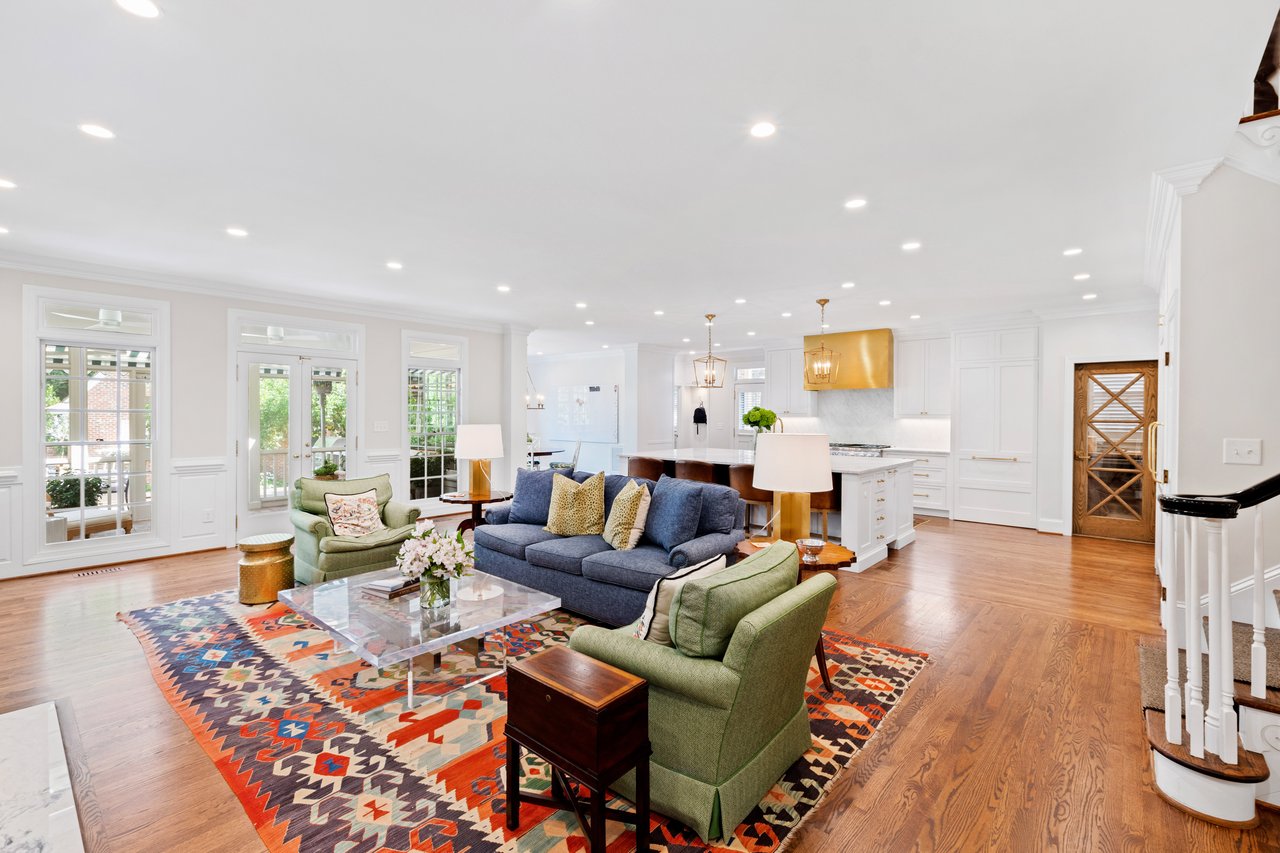
Buyers tend to respond first to the spaces where daily life happens. According to NAR’s 2025 staging survey, the rooms staged most often were the living room, primary bedroom, and dining room. Buyers’ agents also ranked the living room as the most important room to stage, followed by the primary bedroom and kitchen.
That is useful if you are still living in the home and want to focus your effort where it counts. You do not need to stage every inch to create a polished result. A selective plan often does more for a lived-in luxury listing than trying to make the whole house feel frozen and untouchable.
Visual marketing also matters. NAR found that buyers consider photos, physical staging, videos, and virtual tours important, which means your home needs to look strong both in person and on screen. Luxury marketing works best when the property feels cohesive from the first photo through the final showing.
When you still live in the home, staging should support your routine instead of fighting it. Think of it as editing rather than erasing. You are creating cleaner sightlines, simpler surfaces, and a calmer mood so buyers can take in the home itself.
NAR’s seller guidance recommends decluttering, removing personal items, refreshing towels and bedding, neutralizing paint when needed, and pulling out bulky furniture. It also suggests keeping closets about half full rather than packed. Those small shifts can make a luxury home feel more spacious and intentional.
For many Raleigh sellers, the best return comes from focusing on a short list of priority spaces:
If your home has standout terraces, a pool area, a separate guest suite, or a home office, those spaces may also deserve extra attention. The key is to highlight how the home lives while keeping the visual field clean.
Personal items can make it harder for buyers to picture themselves in a home. They can also create privacy and security concerns once photography and showings begin. Before your listing goes live, it helps to remove or secure anything too personal, sensitive, or distracting.
A practical pre-list checklist includes:
This step is especially important because photography and video are now routine in the sales process. A refined listing presentation should showcase the home, not your personal information.
The hardest part of selling a lived-in home is rarely the first showing. It is staying ready for the fifth, the tenth, and the unexpected same-day request. In a market like Raleigh, where homes can move quickly, a repeatable showing routine can lower stress and keep your presentation consistent.
NAR’s showing checklist advises sellers to leave during showings, secure valuables and medication, and make arrangements for pets. It also notes that buyers, appraisers, repair professionals, and property data collectors may all need access during the sale process. That means your home may need to stay in ready condition for more than just buyer tours.
A manageable daily routine might look like this:
Make beds, clear kitchen counters, wipe down baths, and open blinds where natural light helps. Replace used towels with fresh ones if possible. A 15-minute reset can have an outsized impact on how the home feels.
Store personal items, take out trash if needed, check outdoor areas, and do a quick walk-through for clutter. If you have pets, follow the plan you set in advance so there is no last-minute scramble.
Leave the home for showings whenever possible. Buyers usually feel more comfortable exploring and asking questions when the owner is not present.
Privacy deserves special attention in a luxury sale. High-end homes often attract broader interest, more marketing activity, and more scheduled access. If you are still living in the property, privacy planning should start before photos are taken.
NAR’s privacy guidance recommends hiding personal photos, mail, documents, and other identifying information. It also suggests asking your agent to add a "No Photography" note to the MLS and using an electronic lockbox that records who enters the home and when.
Smart-home devices need a review too. If you have video doorbells, cameras, smart locks, or voice assistants, check settings before showings begin. These devices are common, but they can raise privacy questions if they are left running without a clear plan.
Not every lived-in luxury listing needs full-service staging throughout the entire house. NAR notes that staging support can range from a consultation to partial in-person staging to virtual staging when any material alterations in photos are disclosed. That flexibility is useful for busy sellers who want strong presentation without overcomplicating the process.
Budget is part of the conversation as well. In NAR’s 2025 report, the median spend for a professional staging service was $1,500, compared with $500 when the seller’s agent handled staging. For many homeowners, that makes consultation-based or partial staging a practical middle ground.
A smart luxury strategy often includes:
This kind of selective preparation keeps the home elegant and market-ready while respecting the fact that you still live there.
Preparation is not only visual. In North Carolina, sellers also need to be organized on the paperwork side. The North Carolina Real Estate Commission says most residential sellers must provide two disclosure forms: the Residential Property and Owners’ Association Disclosure Statement and the Mineral and Oil and Gas Rights Mandatory Disclosure Statement.
NCREC also says the property disclosure should be provided before an offer, and sellers can be held accountable for the truth and accuracy of what they represent. If your home is part of an HOA or subject to mandatory covenants, you should also gather details such as dues, contact information, transfer fees, services, amenities, and any pending lawsuits or unsatisfied judgments tied to the association.
If your home was built before 1978, lead-based paint disclosure is also required before sale. Getting these items together early can help avoid delays once your listing is active.
Selling a lived-in luxury home involves more than pricing and negotiation. It also means coordinating presentation, photography, access, privacy, disclosures, timing, and ongoing communication. That is a large part of why most sellers still rely on an agent, with NAR reporting that 91% used one in 2025.
For high-end listings, the process tends to work best when communication stays clear and the decision-making chain stays short. A boutique, senior-led approach can be especially helpful when you want hands-on guidance, polished marketing, and discreet management of day-to-day details.
That is where experience in Raleigh’s luxury market matters. A thoughtful plan should help your home show beautifully, protect your time and privacy, and keep the process feeling steady from launch through closing.
Selling a lived-in luxury home in Raleigh does not require you to move out, remodel everything, or erase all signs of life. It requires smart editing, repeatable routines, careful privacy controls, and a coordinated listing strategy that presents your home as a premium property while respecting how you live. If you want a tailored plan for timing, preparation, and presentation, Mollie Owen can help you map out the next steps with discretion and senior-level guidance.
Stay up to date on the latest real estate trends.


Work with us for unparalleled Raleigh luxury real estate service. Our deep local insight, refined marketing, and 25+ years of experience mean high-value transactions handled with care and precision—reach out to see what we can achieve for you.
CONTACT US
3200 Wake Forest Rd, Suite 101 Raleigh, NC 27609