Raleigh Luxury Home Design Trends That Add Lasting Appeal
June 4, 2026
June 4, 2026
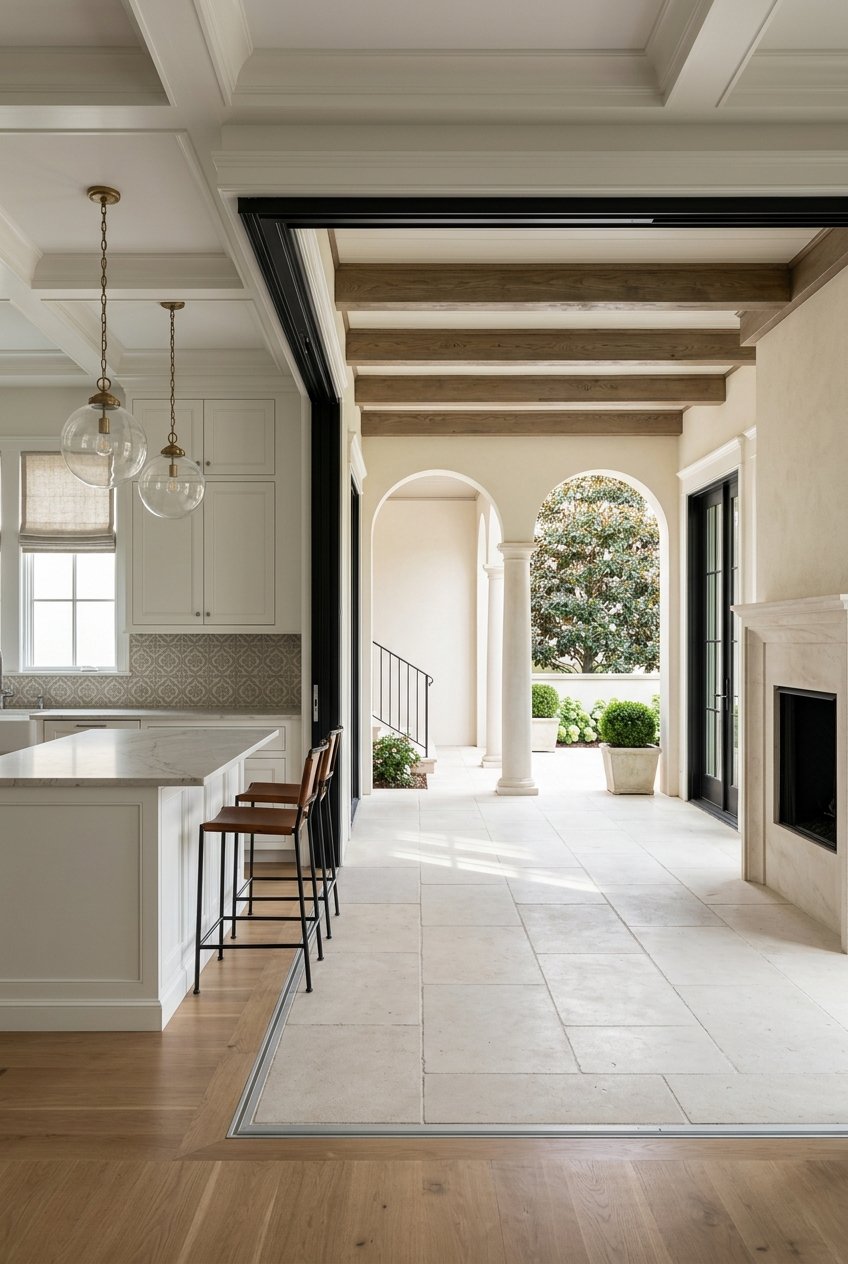
If you are preparing to buy or sell a luxury home in Raleigh, design matters, but not always in the way people assume. Today’s buyers are often less impressed by flashy extras and more focused on how a home feels to live in every day. The homes that stand out tend to combine thoughtful layouts, warm finishes, flexible spaces, and outdoor areas that actually work in Raleigh’s climate. Let’s dive in.
Before buyers focus on cabinet colors or lighting, they usually react to the layout. Zillow’s 2025 buyer survey found that floor plans were the most important listing feature for 33% of buyers, ahead of photos and virtual tours. That matters because many buyers are taking their time, with 59% saying they had been shopping for at least six months.
In practical terms, luxury buyers want a home that makes sense from the moment they enter. They notice whether rooms connect well, whether the main living areas feel usable, and whether the home supports daily routines without wasted space. A beautiful house can still feel off if the layout is awkward.
This is one reason overly dramatic spaces may not have the same appeal they once did. Buyers are leaning toward homes with clear purpose in each room rather than oversized areas designed mainly for show. Research from NAHB points in a similar direction, with two-story foyers ranking among the least desired specialty spaces.
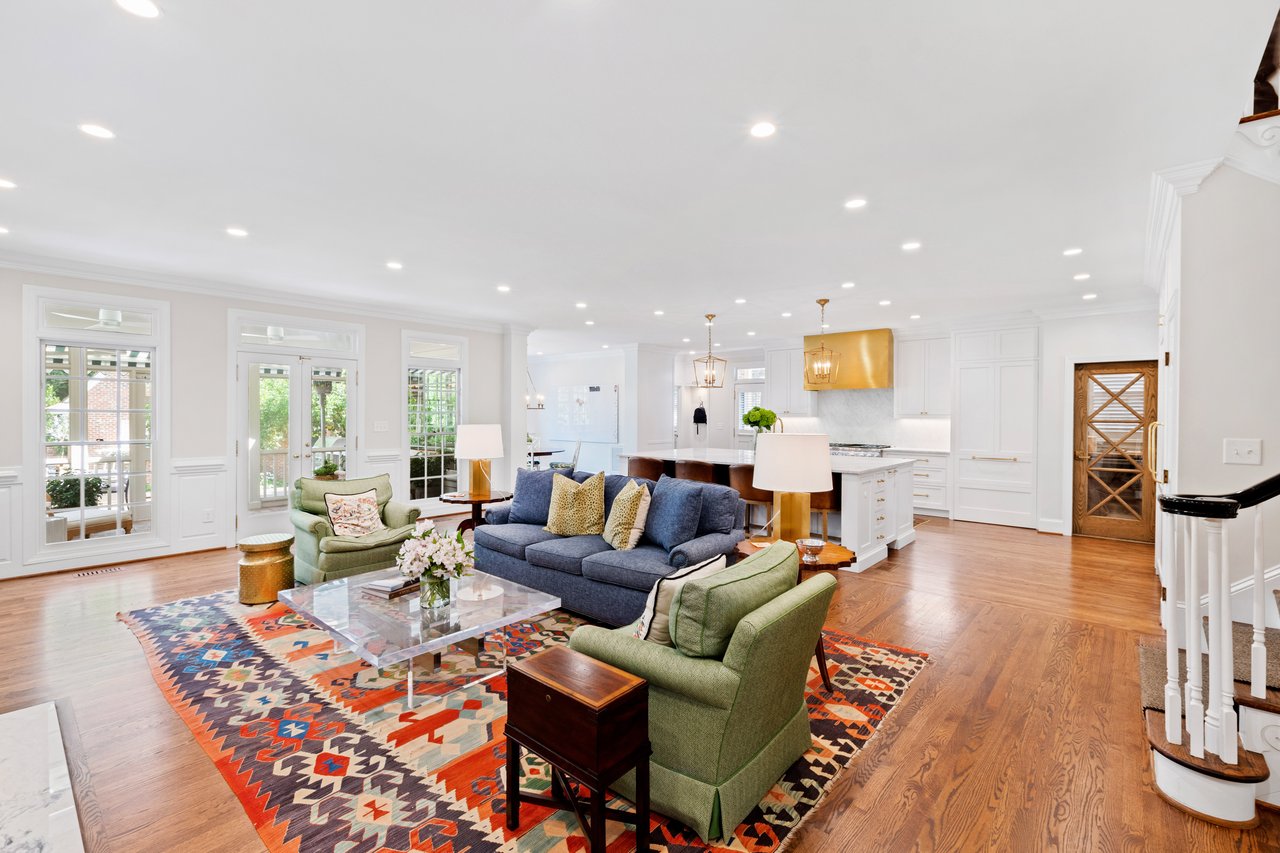
Open living still matters, but buyers are not asking for one giant room that does everything. Zillow’s 2025 trend reporting suggests buyers are shifting toward smaller rooms with a clear purpose and more flexible layouts overall. In luxury homes, that often means open kitchen and family areas balanced by quieter spaces nearby.
You may see this in homes with a dining room that can still host comfortably, a study with doors for privacy, or a lounge that feels separate from the busiest parts of the house. These features read as thoughtful, not old-fashioned. Buyers want connection, but they also want choice.
In Raleigh’s luxury market, kitchens still carry enormous weight. Buyers notice whether a kitchen feels warm, tailored, and easy to use. The strongest design direction right now is less about stark minimalism and more about comfort, texture, and subtle customization.
NKBA’s 2025 reporting highlights several kitchen themes that align with what many luxury buyers respond to now: earth tones, clutter reduction, multifunctional appliances, concealed storage, hidden doors, and natural materials. Houzz also points to layered textures, statement countertops, and integrated hidden features.
All-white kitchens are no longer the automatic standard for luxury appeal. White oak cabinetry is a favorite in current design reporting, and green stands out as a popular color choice. These choices can make a kitchen feel softer and more collected while still looking elevated.
That does not mean every luxury kitchen needs bold color. It means buyers are responding to kitchens with personality and material depth. Warm woods, painted cabinetry, and a mix of finishes often feel more custom than a look that is too uniform.
Luxury buyers are paying attention to materials that feel substantial and long-lasting. Zillow’s March 2026 research found that homes mentioning quartzite countertops sold for 5.3% more than expected. That is a strong signal that buyers notice quality finishes that offer both beauty and durability.
Other features that read well include panel-ready appliances, concealed pantries, and back kitchens or sculleries. These details support how people actually live, entertain, and keep the main kitchen looking calm. In high-end homes, convenience and visual order often carry as much value as style.
Primary bathrooms have become far more important in luxury home design. Buyers are not just looking for a large bath. They are looking for a space that feels restorative and easy to enjoy every day.
According to NKBA, primary bathrooms expanded in 2025 with a stronger focus on spa-like experiences. Larger showers are outpacing tubs, and features like integrated seating, shelving, steam options, and other wellness elements are gaining attention. Zillow has also reported more interest in spa-inspired wet rooms and wellness-focused listings.
The most appealing bathrooms tend to feel calm, functional, and uncluttered. Buyers often notice:
A bath does not need every luxury feature on the market to make an impression. In many cases, buyers respond more strongly to comfort, space, and thoughtful design than to a long list of gadgets.
One of the clearest luxury design trends in Raleigh is the importance of adaptable space. Buyers want homes that can evolve with work, guests, hobbies, and long-term lifestyle needs. That makes flexible rooms one of the smartest design priorities for both builders and sellers.
Zillow found that 51% of prospective buyers considered an extra room for a home office very or extremely important in 2025. Interest in a separate structure for a home office also rose, and 55% of buyers said an existing ADU would make them more likely to buy.
In luxury homes, flexibility often shows up in practical ways. Buyers are especially drawn to spaces such as:
NAHB’s 2025 housing trends summary also shows continued demand for great rooms, laundry rooms, garage storage, kitchen table space, patios, and hardwood on the main level. These everyday features may sound simple, but in practice they often shape how livable a luxury home feels.
Long-term usability is becoming a bigger part of luxury design. Zillow reports that buyers in households with a disability place higher importance on features such as walk-in showers or tubs, single-story homes, wide doorways, and handrails. Even for buyers who do not need those features today, a home that feels easier to navigate often feels more thoughtful and valuable.
In Raleigh luxury homes, that can translate into generous circulation, main-level living options, and fewer hard-to-use spaces. The best luxury design is often design that remains comfortable over time.
Raleigh’s climate makes outdoor living especially relevant, but the most successful outdoor spaces are designed for real use. NOAA climate normals for Raleigh-Durham show an annual mean temperature of 61.2 degrees, an average July high of 90.8 degrees, an average January high of 51.9 degrees, and precipitation throughout the year. That combination favors outdoor spaces with shade, airflow, and seasonal flexibility.
In other words, a bare patio is not enough. Buyers are more likely to respond to outdoor areas that feel like true extensions of the home. Covered porches, screened spaces, ceiling fans, heaters, and durable fabrics often feel more luxurious in this market because they support comfort across more of the year.
Outdoor living has become a mainstream expectation. NAHB reports that 68% of new homes include porches and 64% include patios, with the average new-home patio at about 320 square feet. In the luxury segment, buyers often notice whether that outdoor square footage feels purposeful.
The features that tend to stand out include:
Zillow’s 2026 research also links outdoor kitchens, outdoor showers, and outdoor fireplaces with measurable price premiums. That does not mean every seller needs to add all three. It does suggest that outdoor amenities feel most valuable when they extend the way people live at home.
Luxury buyers still appreciate technology, but the most persuasive features are practical. NAHB says top technology features include security cameras, wireless security systems, and video doorbells. Buyers tend to respond when technology makes a home easier, safer, or more efficient rather than simply more complex.
Zillow’s 2025 trends also show rising mentions of whole-home batteries, solar panels, EV chargers, and induction cooktops. Another important point is resilience. Zillow reported that 86% of recent buyers said it was very important for a home to have at least one climate-resilient feature.
The broader design direction is clear. Buyers are moving away from excess for its own sake and toward homes that feel personal, calm, and adaptable. Durable materials, layered lighting, hidden storage, and a few character-rich details often make a stronger impression than trend-heavy finishes that may date quickly.
For sellers, that matters when preparing a luxury home for market. For buyers, it can help you separate lasting value from short-lived novelty. In both cases, the strongest homes usually tell a consistent story through layout, materials, and livability.
If you are selling a luxury home, it helps to focus on the features buyers are already primed to notice. Clear floor plans, refined presentation, flexible rooms, warm finishes, and usable outdoor living are not small details. They are central to how buyers evaluate value.
If you are buying, these same trends can help you identify a home with lasting appeal. A property that supports daily life well, offers design depth, and adapts over time is more likely to feel right long after closing day.
In Raleigh’s luxury market, the homes that stand out now are not necessarily the loudest. They are the ones that feel beautifully considered, highly livable, and ready for the way you actually want to live. If you are considering a purchase or preparing to position a luxury home for sale, Mollie Owen offers senior-level guidance, refined marketing insight, and discreet local expertise across the Triangle.
Stay up to date on the latest real estate trends.


Work with us for unparalleled Raleigh luxury real estate service. Our deep local insight, refined marketing, and 25+ years of experience mean high-value transactions handled with care and precision—reach out to see what we can achieve for you.
CONTACT US
3200 Wake Forest Rd, Suite 101 Raleigh, NC 27609