Inside the Beltline Raleigh Living or Outside?
June 11, 2026
June 11, 2026
If you have spent any time searching for homes in Raleigh, you have probably heard one phrase over and over: inside the Beltline. It sounds simple, but for many buyers and sellers, it raises a bigger question about lifestyle, housing, and long-term fit. The good news is that the choice is not about right or wrong. It is about how you want to live, what kind of home you want, and what daily convenience means to you. Let’s dive in.
In Raleigh, the Beltline refers to I-440, a 16.4-mile partial beltway that nearly circles central Raleigh. In everyday real estate language, “inside the Beltline” means neighborhoods within that ring, while “outside the Beltline” refers to areas beyond it.
That distinction matters because central Raleigh and the city’s outer areas often offer very different housing styles, commute patterns, and neighborhood experiences. Raleigh is also feeling steady housing pressure, with population growth outpacing housing development, which has contributed to rising home prices and rents.
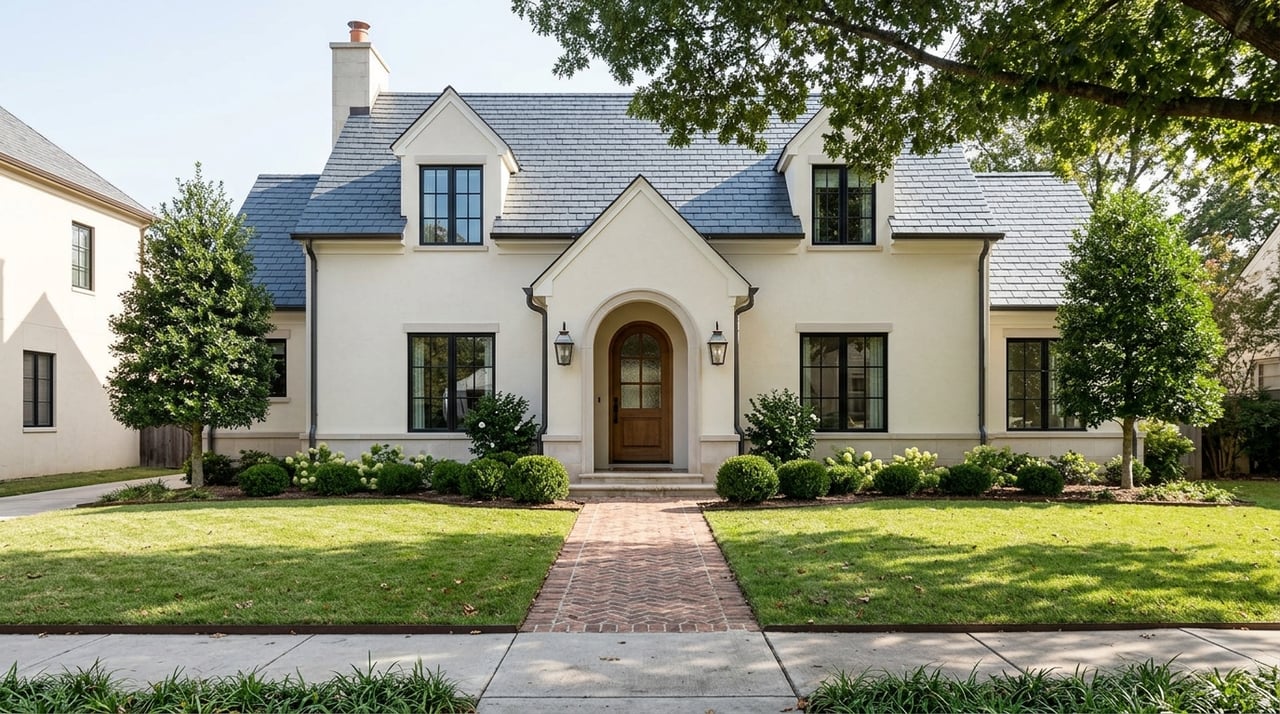
Living inside the Beltline often appeals to buyers who want a more central routine and a strong sense of Raleigh’s historic character. Many of the city’s best-known older neighborhoods are located here, and each has its own architectural style and streetscape.
City planning resources describe Oakwood for its large collection of 19th-century Victorian-era homes. Boylan Heights is known as one of Raleigh’s earliest planned suburban neighborhoods, with many Craftsman bungalows, while Hayes Barton is noted for its estate-like setting and mix of Colonial Revival, Georgian Revival, Tudor Revival, Dutch Colonial, Craftsman, and bungalow homes.
Inside-the-Beltline housing is not one look or one price point. What many areas do share is older housing stock, mature trees, and established street patterns.
In places like Boylan Heights, the city notes features such as curving streets, rear alleys, front porches, shade trees, smaller parcels, and shallower setbacks. In Hayes Barton, the setting is more spacious and formal, with generous setbacks and a different architectural rhythm.
For you as a buyer, that means “inside the Beltline” can describe anything from a bungalow on a tighter lot to a larger historic home with more presence. If you are drawn to architecture, centrality, and neighborhoods with a long-established identity, this part of Raleigh often stands out.
One of the biggest draws of living inside the Beltline is everyday convenience tied to downtown Raleigh. The city describes downtown as the place where business, government, and culture come together, and the Downtown Raleigh Alliance highlights its broad mix of dining, entertainment, and public art.
Downtown also includes more than 100 pieces of public art and more than 100 lunch restaurants, which helps explain why many buyers value this location for shorter trips and an active day-to-day routine. If you enjoy being near museums, restaurants, local events, and civic spaces, inside-the-Beltline living often makes that easier.
Central Raleigh also offers access to some of the city’s most established parks and cultural sites. Pullen Park, for example, is the first public park in North Carolina, and Mordecai Historic Park offers guided tours and historic interpretation in the heart of downtown.
These places add to the appeal for buyers who want more than just a house. They support a lifestyle centered on quick outings, walkable or short-drive amenities, and connection to Raleigh’s historic core.
Outside the Beltline, Raleigh opens up in a different way. Many buyers look beyond I-440 for more space, newer housing options, broader recreation access, or a less dense daily setting.
Just as important, outside-the-Beltline living is not limited to one suburban pattern. Raleigh’s planning materials show a growing mix of single-family homes, townhomes, duplexes, triplexes, and small apartments in many parts of the city.
A common assumption is that outside the Beltline always means newer homes and larger lots. That can be true in some areas, but it is not the full picture.
Raleigh’s housing strategy and planning resources show that outer areas may include classic suburban neighborhoods, newer townhome communities, and emerging mixed-use districts. In other words, you can find a wider housing menu outside the Beltline, depending on the part of Raleigh you are considering.
For buyers who want flexibility, that range can be a major advantage. You may find a traditional detached home, a lower-maintenance townhome, or a community that blends residential and commercial uses in a more connected layout.
One of the clearest examples of this shift is Midtown. The Midtown-St. Albans Area Plan outlines major long-term improvements, including two new bridges across I-440, a waterfront park along Crabtree Creek, green streets, a protected walking and biking ring, and policies that support more housing, jobs, and a walkable built form.
That is an important reminder that outside the Beltline does not always mean car-dependent sprawl. In some districts, Raleigh is actively creating places that feel more connected and more urban over time.
For many buyers, the real question is not which side of the Beltline is better. It is which side works better for your routine.
Inside the Beltline often makes the most sense if your regular destinations are downtown or other central parts of Raleigh. Shorter drives to the city core, plus proximity to restaurants, events, and civic destinations, can make daily life feel simpler.
Outside the Beltline may work better if you want more room, easier access to outer corridors, or proximity to larger recreation destinations. It can also suit buyers whose work, family, or activity patterns extend beyond downtown.
Outer Raleigh is also becoming more connected. The city’s Wake BRT plan says each corridor is designed to connect downtown Raleigh with major destination areas and to work alongside bus routes, sidewalks, bike facilities, and park-and-ride lots.
Today, many outside-the-Beltline areas still have a car-forward feel. At the same time, the city is clearly investing in more transit and multimodal options, which may matter if you are thinking not only about where Raleigh is today, but where it is heading.
If outdoor access is high on your list, outside the Beltline has a strong story to tell. Raleigh’s Capital Area Greenway system includes more than 100 miles of trails, giving many outer neighborhoods access to larger recreation networks.
The Reedy Creek Trail connects Umstead State Park to the North Carolina Museum of Art and Meredith College. Lake Johnson offers both paved and natural-surface trails, along with paddling and programs. The North Carolina Museum of Art’s Museum Park adds a free 164-acre campus with 4.7 miles of trails.
This part of Raleigh also benefits from regional destinations along the Blue Ridge Road corridor, including the State Fairgrounds, Lenovo Center, and Carter-Finley Stadium. If you value green space, major venues, and broader regional access, outside-the-Beltline living may feel like a better fit.
| Factor | Inside the Beltline | Outside the Beltline |
|---|---|---|
| Housing character | Older, established, often historic | Broad mix of suburban, newer, and evolving mixed-use areas |
| Lot and street pattern | Often tighter lots and mature streetscapes | Often more space, with varied community layouts |
| Access to downtown | Typically closer and more direct | Varies by area and corridor |
| Walkability | Often stronger near central neighborhoods | Improving in some districts such as Midtown |
| Recreation style | Historic parks and downtown culture | Greenways, lakes, museum park, and regional destinations |
| Lifestyle feel | Central, connected, established | Spacious, varied, and often more spread out |
The better question is not whether inside or outside the Beltline is more desirable. It is which setting matches your priorities.
You may prefer inside the Beltline if you value:
You may prefer outside the Beltline if you value:
For many buyers in Raleigh, the answer comes down to trade-offs. One side may offer more charm and centrality, while the other may offer more flexibility and room to spread out.
In a market as nuanced as Raleigh, the Beltline conversation is rarely just about geography. It is about architecture, commute patterns, future planning, lot size, neighborhood feel, and how you want your home to support your life.
That is especially true if you are buying or selling a distinctive home, a luxury property, or a residence where presentation and positioning matter. The right strategy starts with clear local context, not broad assumptions.
Whether you are drawn to the historic texture of central Raleigh or the evolving opportunities beyond I-440, thoughtful guidance can help you compare options with confidence. If you are considering a move in Raleigh and want tailored insight on neighborhoods, lifestyle fit, or positioning your home for the market, connect with Mollie Owen to schedule a private consultation.
Stay up to date on the latest real estate trends.


Work with us for unparalleled Raleigh luxury real estate service. Our deep local insight, refined marketing, and 25+ years of experience mean high-value transactions handled with care and precision—reach out to see what we can achieve for you.
CONTACT US
3200 Wake Forest Rd, Suite 101 Raleigh, NC 27609